sales.myshatraders.com

Blog

  • Il futuro dei tavoli di Craps: strategie vincenti, jackpot evoluti e tendenze emergenti nel 2026

    Nel panorama dinamico dell’iGaming, il tavolo di Craps sta vivendo una vera e propria rivoluzione. Grazie all’integrazione di tecnologie blockchain, intelligenza artificiale e design immersivo, i casinò online stanno ridefinendo le regole del gioco, offrendo ai giocatori nuove opportunità di profitto e un’esperienza più coinvolgente che mai.

    Un elemento chiave di questa trasformazione è l’ascesa dei jackpot progressivi collegati alle scommesse più strategiche del tavolo. Questi premi, una volta considerati riservati ai giochi di slot, ora trovano spazio anche nel mondo del Craps, stimolando l’interesse di una nuova generazione di scommettitori. Per approfondire le opportunità offerte dai casinò digitali, visita il nostro partner online crypto casino.

    Il 2026 è l’anno in cui le innovazioni si incontrano con la tradizione del lancio dei dadi. I casinò stanno sperimentando meccanismi di “jackpot attivo” che si innescano quando la “Pass Line” o la “Don’t Pass” raggiungono determinate soglie di puntata. Allo stesso tempo, le piattaforme stanno introducendo token dedicati che permettono ai giocatori di accumulare crediti bonus direttamente dal proprio portafoglio di criptovaluta, rendendo il gioco più trasparente e veloce.

    In questo articolo esploreremo le tendenze più promettenti per il 2026, analizzeremo le scommesse più redditizie e forniremo una guida pratica per massimizzare i profitti sfruttando i jackpot più innovativi.

    Strategie di puntata ottimizzate per i jackpot del Craps

    Pass Line e Don’t Pass con bonus jackpot

    Le scommesse tradizionali “Pass Line” e “Don’t Pass” rimangono le più popolari perché offrono un RTP medio del 98,6 %. Nel 2026 molti operatori hanno aggiunto un “jackpot trigger” che si attiva quando il punto viene stabilito più di cinque volte consecutivamente. In pratica, se il punto è 6 e il tiratore lo ripete cinque volte, il jackpot progressivo – spesso compreso tra 0,5 e 2 BTC – si accende.

    Combinare Come e Don’t Come

    Un approccio più sofisticato prevede la sovrapposizione di scommesse “Come” e “Don’t Come”. Quando il giocatore piazza una “Come” sul punto 8 e simultaneamente una “Don’t Come” sul punto 5, crea due linee di payout indipendenti. Se uno dei due punti raggiunge il trigger del jackpot, il giocatore ottiene il premio senza sacrificare la copertura di base.

    Analisi statistica dei ritorni medi con jackpot attivi

    Secondo i dati aggregati di diversi bitcoin casino, l’attivazione di un jackpot aumenta il ritorno medio del 0,9 % rispetto al semplice RTP della Pass Line. Questo perché il premio aggiuntivo viene distribuito su una base di scommesse più ampia, riducendo la volatilità complessiva. In termini pratici, se il tuo bet medio è di 0,01 BTC, l’EV (expected value) sale da 0,00986 BTC a circa 0,01005 BTC quando il jackpot è in gioco.

    Bankroll management in contesto jackpot

    Gestire il bankroll con un jackpot attivo richiede disciplina. Una regola efficace è la “20‑20‑60”: il 20 % del capitale viene destinato alle scommesse di base (Pass/Don’t Pass), un altro 20 % alle scommesse “Come/Don’t Come” per aumentare le probabilità di trigger, e il restante 60 % è riservato per puntate più aggressive quando il conteggio dei lanci indica una tendenza al punto.

    Tipo di scommessa Percentuale bankroll RTP medio Jackpot trigger
    Pass Line 20 % 98,6 % sì (5 lanci)
    Don’t Pass 20 % 98,6 % sì (5 lanci)
    Come/Don’t Come 20 % 98,5 % sì (3 lanci)
    Puntate aggressive 40 % 97,0 % sì (condizioni)

    Seguire questa struttura consente di mantenere la volatilità sotto controllo, sfruttando al contempo le opportunità di jackpot senza esaurire rapidamente il capitale.

    Intelligenza artificiale e analisi predittiva al servizio del giocatore

    Algoritmi di machine learning per offerte personalizzate

    I casinò che operano su piattaforme di gioco con criptovaluta stanno impiegando modelli di apprendimento supervisionato per analizzare il comportamento di ciascun giocatore. I dati raccolti includono frequenza di puntata, scelta delle linee (Pass, Come, ecc.) e tempi di inattività. Con questi input, l’AI genera offerte jackpot su misura: ad esempio, un giocatore che predilige la “Pass Line” riceve un bonus del 10 % sul jackpot quando il punto è 4 o 10, perché l’algoritmo ha identificato una correlazione storica di attivazione più alta su quei numeri.

    Strumenti di previsione delle sequenze di tiro

    Alcuni provider hanno lanciato “Craps Predictor”, un widget che utilizza reti neurali ricorrenti (RNN) per valutare la probabilità che il prossimo lancio ripeta il punto corrente. Sebbene nessun modello possa prevedere con certezza il risultato di un dado onesto, le previsioni hanno una precisione statistica del 52 % rispetto al 50 % di una scommessa casuale. I giocatori esperti usano queste informazioni per decidere se aumentare la puntata su “Don’t Pass” quando la probabilità di “seven out” supera il 48 %.

    Uso dei dati in tempo reale per scegliere il momento migliore

    Il cruscotto di analytics in tempo reale mostra tre indicatori chiave: “Trend Point”, “Jackpot Heat” e “Volatility Index”. Quando il “Jackpot Heat” supera il 75 % (basato su numero di lanci senza attivazione), l’AI suggerisce di puntare su linee ad alto payout, poiché il sistema prevede una imminente attivazione. Alcuni operatori consentono di impostare notifiche push che avvisano il giocatore non appena il “Trend Point” supera una soglia predefinita.

    Rischi etici e regolamentari

    L’impiego dell’AI solleva questioni di trasparenza. Le autorità di gioco europee stanno richiedendo che i casinò forniscano una “AI Disclosure”, ovvero una descrizione chiara di come gli algoritmi influenzano le offerte. Inoltre, la normativa italiana prevede che le promozioni basate su AI non possano creare dipendenza patologica, imponendo limiti di spesa settimanale per i giocatori che accettano consigli automatizzati. I casinò responsabili, come quelli citati su Nibble Nibble, stanno implementando meccanismi di auto‑esclusione integrati direttamente nei loro sistemi AI.

    Blockchain, criptovalute e trasparenza dei jackpot

    Vantaggi della blockchain nella gestione dei fondi jackpot

    La blockchain consente di registrare ogni contributo al jackpot in modo immutabile. Quando un giocatore scommette 0,02 BTC su una “Pass Line” con jackpot attivo, il valore viene automaticamente aggiunto a un “smart contract” che calcola la quota di partecipazione. Questo elimina la necessità di audit manuali e riduce i costi operativi del 30 % rispetto ai sistemi tradizionali basati su database centralizzati.

    Caso studio: token ERC‑20 per premi progressivi

    Un casinò europeo ha lanciato il token “CRAP‑JACK” (ERC‑20) per i suoi jackpot. Ogni volta che il jackpot viene attivato, una frazione del token – ad esempio 0,001 CRAP‑JACK – viene distribuita a tutti i partecipanti eleggibili. I giocatori possono poi scambiare i token su exchange decentralizzati o convertirli in bitcoin tramite il wallet interno del sito. Questo modello ha aumentato la retention del 18 % perché i partecipanti percepiscono un valore tangibile anche prima del payout finale.

    Criptovalute e tempi di payout

    I pagamenti in bitcoin o ether avvengono in pochi minuti, a differenza dei metodi fiat tradizionali che richiedono 2‑5 giorni lavorativi. La riduzione dei tempi di payout è particolarmente rilevante per i jackpot di grandi dimensioni, dove ogni ora di attesa può generare volatilità di mercato. I giocatori che utilizzano wallet hardware segnalano una maggiore fiducia, poiché le chiavi private rimangono sotto il loro controllo.

    Implicazioni fiscali e normative per l’Italia nel 2026

    Dal 2026, l’Agenzia delle Entrate ha introdotto una soglia di 5 000 € per la dichiarazione obbligatoria dei guadagni da criptovaluta derivanti da attività di gioco. I giocatori italiani devono quindi tenere traccia dei propri win in bitcoin e segnalare le plusvalenze nella dichiarazione dei redditi. I casinò che operano con licenza italiana forniscono report mensili scaricabili, facilitando la compliance. Inoltre, la normativa richiede che i contratti smart dei jackpot includano clausole anti‑lavaggio di denaro, con controlli KYC obbligatori per tutti gli utenti.

    Esperienze immersive: realtà aumentata e tavoli virtuali di Craps

    Evoluzione da 2D a 3D interattivo

    Nel 2024 i tavoli di Craps erano prevalentemente grafica 2D con animazioni di dadi. Nel 2026, le piattaforme AR/VR hanno introdotto tavoli 3D completamente interattivi, dove il giocatore può ruotare la visuale, avvicinarsi al lanciatore virtuale e persino “toccare” i dadi con controller haptici. Questa immersione aumenta la percezione di controllo e rende più evidente la dinamica dei jackpot.

    Impatto della gamification sui jackpot

    Le meccaniche di gamification – missioni giornaliere, badge “Jackpot Hunter” e livelli di esperienza – incoraggiano i giocatori a tornare più spesso. Un’analisi di un provider AR ha mostrato che i giocatori che completano almeno tre missioni settimanali hanno una probabilità del 22 % in più di attivare un jackpot rispetto a chi gioca solo casualmente. La motivazione è alimentata da ricompense extra, come token bonus che possono essere spesi per “boost” temporanei sulla probabilità di trigger.

    Costi di sviluppo e opportunità di mercato

    Sviluppare un tavolo di Craps in realtà aumentata richiede competenze in grafica 3D, networking low‑latency e integrazione blockchain. I costi di produzione variano da 250 000 a 450 000 USD, a seconda della complessità delle animazioni. Tuttavia, il mercato globale del gaming immersivo è previsto crescere del 27 % annuo fino al 2030, creando opportunità di ROI elevato per i fornitori di software che riescano a lanciare prodotti scalabili.

    Recensioni di piattaforme AR/VR

    • CrapsAR Pro: tavolo con supporto per Oculus Quest 3, jackpot progressivo in token ERC‑20, feedback positivo per la fluidità dei lanci.
    • VirtualDice Club: integrazione con wallet Metamask, possibilità di scommettere in bitcoin, ma alcune lamentele sulla latenza in regioni con connessione 4G.

    Queste piattaforme dimostrano come la combinazione di realtà aumentata e blockchain stia ridefinendo l’esperienza di gioco, trasformando il semplice lancio dei dadi in un evento spettacolare.

    Prospettive normative e mercato globale del Craps nel 2026

    Aggiornamenti delle licenze di gioco

    In Europa, l’Unione ha introdotto il “Regolamento UE 2026/12” che armonizza i requisiti di licenza per i giochi di dadi, includendo obblighi di trasparenza sui jackpot e limiti di puntata massima di 10 BTC per round. Negli Stati Uniti, il Nevada e il New Jersey hanno aggiornato le proprie leggi per consentire l’uso di criptovalute nei tavoli di Craps, purché i casinò mantengano un “reserve fund” del 5 % del jackpot totale.

    Influenza delle normative sui limiti di puntata e sui jackpot

    Le nuove regole impongono che i jackpot progressivi non superino il 1 % del volume di gioco giornaliero, per evitare effetti di “pump‑and‑dump”. Questo ha spinto gli operatori a introdurre più piccoli jackpot frequenti, che aumentano la percezione di vincita senza violare i limiti. Inoltre, le licenze richiedono che ogni jackpot sia garantito da un “insurance pool” gestito da un ente terzo certificato.

    Previsioni di crescita del mercato globale del Craps

    Secondo le proiezioni di mercato, il segmento dei tavoli di Craps online dovrebbe raggiungere 1,8 miliardi di euro entro il 2030, con un tasso di crescita annuo composto (CAGR) del 14 %. La spinta è guidata da:
    – l’adozione di criptovalute,
    – l’espansione dei giochi AR/VR,
    – l’aumento della domanda di esperienze sociali in ambienti virtuali.

    Consigli per i giocatori su come scegliere operatori sicuri

    1. Verificare la licenza rilasciata da autorità riconosciute (ADM in Italia, Malta Gaming Authority, New Jersey Division of Gaming).
    2. Controllare la presenza di audit pubblici sui contratti smart dei jackpot; molte piattaforme mostrano questi report su pagine dedicate.
    3. Utilizzare risorse indipendenti come Nibble Nibble per confrontare le offerte di gioco con criptovaluta e leggere le recensioni degli utenti senza pregiudizi.

    Seguire questi criteri permette di evitare operatori poco trasparenti e di godere di un’esperienza di gioco equa e protetta.

    Conclusione

    Il 2026 segna una svolta decisiva per il Craps, con jackpot più grandi, tecnologie più sofisticate e un panorama normativo in evoluzione. Chi saprà combinare strategie di puntata intelligenti, sfruttare gli strumenti di IA e abbracciare le opportunità offerte da blockchain e realtà aumentata potrà massimizzare i profitti in modo sostenibile. Restare informati sulle tendenze emergenti e scegliere operatori affidabili, come quelli consigliati dal nostro partner, sarà la chiave per trasformare il tavolo di Craps da semplice passatempo a fonte di guadagni significativi.
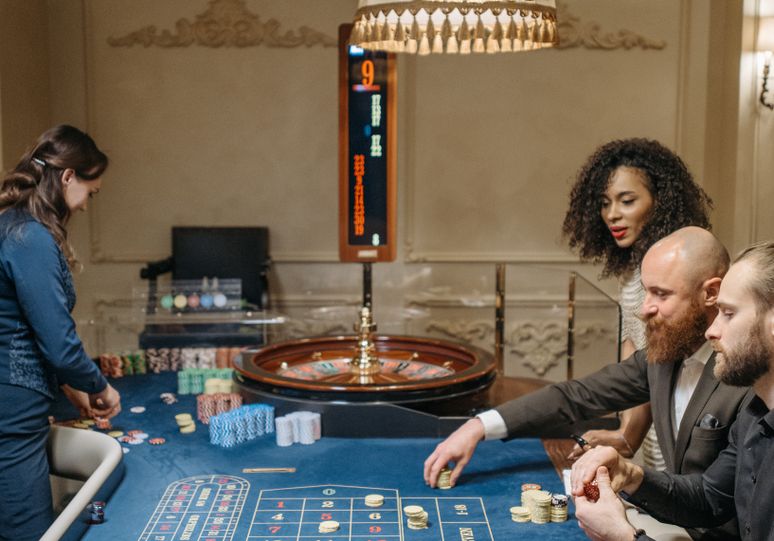

  • Testen Golazzo: Technische Voraussetzungen für ein optimales Spielerlebnis

    Online Casino: Spielautomaten und Live-Spiele im Überblick

    Die Vielfalt der Live Casino Spiele hat in den letzten Jahren enorm zugenommen, was den Wettbewerb unter den Anbietern antreibt. Wer das beste Erlebnis sucht, sollte sich verschiedene Plattformen ansehen, da nicht nur die Spielvielfalt, sondern auch die Qualität der Streams und die Professionalität der Dealer entscheidend für das Spielerlebnis sind. Ein Blick auf die Nutzungsbedingungen bei testen Golazzo lohnt sich vor der ersten Einzahlung. Während viele Plattformen ähnliche Spiele anbieten, unterscheiden sie sich oft in den Details: von den Tischlimits über die Sprachoptionen bis hin zu speziellen Side-Bets. Wer besonders gute Erfahrungen machen möchte, kann sich bei Plattformen wie testen Golazzo eingehender informieren, um das Angebot zu vergleichen.

    Eines der beliebtesten Live Casino Spiele ist zweifellos Roulette. Hier können Spieler auf verschiedene Zahlen, Farben oder Bereiche des Kessels setzen, während ein echter Croupier das Rad dreht. Die moderne Technologie ermöglicht dabei mehrere Kameraeinstellungen, die Ihnen das Geschehen aus verschiedenen Perspektiven zeigen. Blackjack erfordert mehr Strategie, da Sie Entscheidungen treffen müssen, ob Sie weitere Karten ziehen oder stehen bleiben. Baccarat ist bekannt für seine einfache Regelstruktur und ist besonders bei High-Rollers beliebt. Jedes dieser Spiele hat seinen eigenen Reiz und spricht andere Spielertypen an.

    Die beliebtesten Live Casino Spiele im Detail

    Roulette mit echtem Croupier

    Roulette ist das Aushängeschild vieler Live Casino Plattformen. In der klassischen Variante können Sie auf einzelne Zahlen, Rot/Schwarz, Gerade/Ungerade oder auf Dutzende setzen. Moderne Online Casinos bieten oft mehrere Tische gleichzeitig an, von denen einige spezielle Limits für High Roller oder für Einsteiger haben. Die Atmosphäre wird durch den realen Croupier und den Chat mit anderen Spielern geprägt. Einige Plattformen bieten auch spezielle Varianten wie Lightning Roulette oder Immersive Roulette an, die mit zusätzlichen Features und dynamischer Beleuchtung für noch mehr Spannung sorgen.

    Blackjack und seine strategischen Varianten

    Beim Blackjack Live geht es nicht nur um Glück, sondern auch um richtige Strategie. Sie müssen entscheiden, ob Sie weitere Karten ziehen oder stehen bleiben, basierend auf Ihrer Hand und der offenliegenden Karte des Dealers. Viele Live Casinos bieten nicht nur das klassische Blackjack an, sondern auch Varianten wie Infinite Blackjack, wo unbegrenzt Spieler an einem Tisch teilnehmen können, oder Power Blackjack, das spezielle Side-Bets und verbesserte Auszahlungsquoten für bestimmte Kombinationen bietet. Die Interaktion mit dem Dealer und anderen Spielern macht das Erlebnis besonders lebendig.

    Baccarat und seine eleganten Varianten

    Baccarat ist ein klassisches Casino-Spiel, das besonders in Asien extrem beliebt ist. Die Regeln sind relativ einfach: Sie müssen entweder auf den Spieler, den Banker oder ein Unentschieden setzen. Ziel ist es, mit zwei oder drei Karten so nah wie möglich an neun Punkte heranzukommen. Viele Live Casinos bieten Punto Banco, die am weitesten verbreitete Variante, an. Einige Anbieter haben auch spezielle Versionen wie Speed Baccarat, bei dem die Runden schneller ablaufen, oder No Commission Baccarat, das besonders attraktive Auszahlungen für Banker-Siege bietet.

    Technische Voraussetzungen für ein optimales Spielerlebnis

    Um Live Casino Spiele in bester Qualität genießen zu können, sind einige technische Voraussetzungen zu beachten. Ein stabiler Internetanschluss mit ausreichend Bandbreite ist das Wichtigste, um Unterbrechungen beim Streaming zu vermeiden. Die meisten Plattformen empfehlen eine Verbindung mit mindestens 5-10 Mbit/s. Moderne Browser wie Chrome, Firefox oder Safari werden in der Regel unterstützt, während die App-Erfahrung auf mobilen Geräten oft noch flüssiger ist. Ein Gerät mit aktueller Software und ausreichend Bildschirmauflösung sorgt für ein visuell ansprechendes Erlebnis.

    Ein weiterer wichtiger Faktor ist die Kompatibilität mit den von Ihnen genutzten Geräten. Die meisten Live Casino Spiele werden über eine HTML5-Plattform angeboten, die auf Desktop-PCs, Laptops, Tablets und Smartphones funktioniert. Die Benutzeroberfläche ist für Touchscreen-Geräte optimiert, sodass Sie auch auf Ihrem Smartphone oder Tablet problemlos spielen können. Einige Anbieter bieten zusätzlich eine spezielle App an, die oft noch schnellere Ladezeiten und eine optimierte Benutzererfahrung bietet. Die technische Zuverlässigkeit der Plattform ist entscheidend für ein reibungsloses Spielerlebnis.

    Sicherheit und Fairness im Live Casino

    Beim Spielen in einem Live Casino ist Sicherheit und Fairness oberstes Gebot. Seriöse Online Casinos verwenden modernste Verschlüsselungstechnologie, um Ihre persönlichen Daten und Finanztransaktionen zu schützen. Die Live Casino Studios werden von unabhängigen Prüforganisationen wie eCOGRA oder iTech Labs regelmäßig kontrolliert, um die Fairness der Spiele sicherzustellen. Diese Tests prüfen nicht nur die Software, sondern auch die Abläufe in den Studios, um sicherzustellen, dass keine Manipulationen möglich sind. Transparenz bei den Auszahlungsquoten und klare Regeln sind Zeichen eines vertrauenswürdigen Anbieters.

    Ein weiterer wichtiger Aspekt ist der verantwortungsvolle Umgang mit Glücksspiel. Seriöse Casinos bieten Tools wie Selbstausschluss, Einzahlungslimits und Real-Time-Benachrichtigungen an, um problematisches Spielverhalten zu erkennen und einzudämmen. Viele Plattformen haben auch spezielle Seiten und Support-Teams, die bei Spielsuchtberatung helfen. Glücksspiel kann süchtig machen, Glücksspielschutz, nur für Volljährige ab 18 Jahren. Es ist wichtig, die eigenen Grenzen zu kennen und nur mit Geld zu spielen, dessen Verlust Sie sich leisten können.

    Häufige Fragen

    Was benötige ich, um Live Casino Spiele zu spielen?
    Sie benötigen einen stabilen Internetanschluss, einen modernen Browser oder eine Casino-App, ein Gerät mit aktueller Software und ein Konto bei einem Online Casino. Die Registrierung ist in der Regel unkompliziert und dauert nur wenige Minuten.

    Sind Live Casino Spiele fair?
    Ja, seriöse Live Casino Anbieter verwenden lizenzierte Software und werden regelmäßig von unabhängigen Prüfinstituten kontrolliert. Die Spiele werden in echten Studios mit professionellen Dealern durchgeführt, und der gesamte Prozess wird überwacht, um Fairness zu gewährleisten.

    Kann ich Live Casino Spiele auch mobil spielen?
    Ja, die meisten Live Casino Spiele sind für mobile Geräte optimiert. Sie können entweder direkt im mobilen Browser spielen oder die spezielle Casino-App herunterladen, die oft noch bessere Performance und Benutzerfreundlichkeit bietet.

    Gibt eslimits bei Live Casino Spielen?
    Ja, jedes Tisch hat Mindest- und Höchsteinsätze. Diese variieren je nach Spiel und Anbieter. Es gibt Tische für alle Budgets, von kleinen Limits für Einsteiger bis hin zu High-Roller-Tischen mit sehr hohen Einsatzmöglichkeiten.

    Fazit: Die Zukunft des Live Casino-Gamings

    Live Casino Spiele haben das Online-Glücksspiel revolutioniert, indem sie die Atmosphäre eines echten Casinos direkt in die Wohnzimmer der Spieler gebracht haben. Roulette, Blackjack und Baccarat mit echten Dealern bieten ein fesselndes und authentisches Spielerlebnis, das reine Zufallsspiele nicht bieten können. Die ständige Weiterentwicklung der Technologie sorgt dafür, dass das Erlebnis immer immersiver wird – mit besseren Grafiken, mehr Kameraeinstellungen und innovativen Spielvarianten.

    Die Zukunft des Live Casino-Gamings liegt in der weiteren Verbesserung der Benutzererfahrung durch Virtual Reality und Augmented Reality, die das Spielerlebnis noch realistischer gestalten werden. Gleichzeitig wird die Bedeutung von Sicherheit und verantwortungsvollem Spielen weiter zunehmen, da der Markt wächst. Für Spieler bedeutet das: mehr Auswahl, bessere Qualität und ein noch sichereres Umfeld. Egal, ob Sie ein erfahrener Spieler sind oder das Live Casino zum ersten Mal testen Golazzo – die Welt der Live Spiele bietet für jeden etwas Spannendes und Unterhaltsames.

    Woran man ein seriöses Online Casino erkennt

    Kriterium Warum es zählt
    Lizenz Legale Angebote stehen unter deutscher oder EU-Aufsicht
    Auszahlungsquote Faire Slots veröffentlichen ihre RTP-Werte
    Bonusbedingungen Umsatzbedingungen zählen mehr als der Bonusbetrag
    Auszahlungsdauer Schnelle Auszahlungen zeigen finanzielle Stabilität
    Kundendienst Deutscher Support hilft bei Problemen sofort weiter
  • Lemon Casino — Frühwarnzeichen erkennen

    Glücksspielsucht ist ein ernstzunehmendes Problem, das viele Menschen weltweit betrifft. Online-Casinos und Wettplattformen bieten zwar unterhaltsame Möglichkeiten, ihr Hobby auszuüben, doch für manche entwickelt sich daraus eine gefährliche Sucht. In diesem Artikel beleuchten wir die Frühwarnzeichen von problematisiem Glücksspiel und stellen Ihnen hilfreiche Unterstützungsmöglichkeiten vor. Wir zeigen, wie Sie sich selbst oder anderen helfen können, bevor die Sucht das Leben komplett dominiert. Erfahrungsberichte zu Lemon Casino liefern eine erste Orientierung im deutschen Markt. Informieren Sie sich über verantwortungsvolles Spielen und entdecken Sie, wo Sie professionelle Hilfe finden. Sie sind nicht allein auf diesem Weg – es gibt viele Ressourcen, die Ihnen helfen können, die Kontrolle zurückzugewinnen. Für umfassende Informationen zu seriösen Anbietern können Sie Plattformen wie Lemon besuchen.

    Was ist Glücksspielsucht?

    Glücksspielsucht, auch als pathologisches Spielen oder Spielsucht bezeichnet, ist eine anerkannte psychische Erkrankung. Betroffene verlieren die Fähigkeit, ihr Spielverhalten kontrollieren zu können, obwohl negative Konsequenzen entstehen. Die Sucht entwickelt sich schleichend und betrifft alle sozialen Schichten. Im digitalen Zeitalter hat sich das Problem noch verstärkt, da Online-Casinos und Wettplattformen jederzeit und überall zugänglich sind. Die ständige Erreichbarkeit trägt dazu bei, dass Betroffene immer wieder zum Spielen verführt werden, selbst wenn sie eigentlich aufhören wollen.

    Entstehung und Verlauf der Sucht

    Die Entstehung von Glücksspielsucht ist komplex und meist multifaktoriell. Oft spielen psychologische, genetische und soziale Faktoren eine Rolle. Was zunächst als harmlose Unterhaltung beginnt, kann sich schnell zu einer fixen Idee entwickeln. Der Kick beim Gewinnen und die Hoffnung auf den großen Jackpot wirken wie ein Drogenrausch. Mit der Zeit benötigen Betroffene immer höhere Einsätze, um die gleiche Wirkung zu erzielen. Dieser Teufelskreis führt oft zu finanziellen Problemen, Beziehungsstress und beruflichen Schwierigkeiten.

    Die Auswirkungen auf das Leben der Betroffenen

    Die Folgen von Glücksspielsucht gehen weit über den finanziellen Verlust hinaus. Betroffene erleben oft Scham und Schuldgefühle, was zu sozialem Rückzug führt. Die Familie und das soziale Umfeld leiden unter dem Vertrauensverlust und den Lügen, die mit der Sucht einhergehen. Psychische Probleme wie Depressionen, Angststörungen und Sucht nach anderen Substanzen sind ebenfalls häufig. Im schlimmsten Fall kann es zu Suizidgedanken oder -handlungen kommen. Es ist daher entscheidend, Sucht frühzeitig zu erkennen und professionelle Hilfe in Anspruch zu nehmen.

    Frühwarnzeichen erkennen

    Je früher man die Anzeichen von Glücksspielsucht erkennt, desto besser sind die Heilungschancen. Viele Betroffene selbst bemerken nicht, dass ihr Spielverhalten problematisch geworden ist. Oft sind es Angehörige oder Freunde, die erste Veränderungen bemerken. Die Warnsignale können sich auf verschiedene Lebensbereiche auswirken – finanziell, emotional, sozial und beruflich. Es ist wichtig, diese Warnsignale ernst zu nehmen und frühzeitig zu handeln.

    Verhaltensänderungen

    Eine der ersten Veränderungen, die auffällt, ist die ständige Beschäftigung mit Glücksspiel. Betroffene denken ständig an Spiele, Wetten oder das nächste Casino-Besuch. Sie verbringen viel Zeit damit, Strategien zu entwickeln oder nach dem nächsten großen Gewinn zu suchen. Auch die Lügen werden häufiger – Betroffene verschweigen, wie viel Zeit und Geld sie für das Glücksspiel aufwenden. Auch der Versuch, das Spielen einzuschränken oder komplett aufzuhören, scheitert meist kläglich.

    Finanzielle und soziale Warnsignale

    Finanzielle Probleme sind ein klares Warnzeichen. Betroffene nehmen Kredite auf, verkaufen persönliche Gegenstände oder borgen sich Geld bei Freunden und Familie. Die Schuldenberge wachsen, während die Hoffnung auf einen großen Jackpot immer geringer wird. Auch soziale Veränderungen sind typisch: Betroffene ziehen sich zurück, treffen sich nicht mehr mit Freunden und vernachlässigen Hobbys und Pflichten. Arbeitsplatzverluste sind ebenfalls häufig, da die Konzentration nachlässt und die Abwesenheit vom Arbeitsplatz zunimmt.

    Bereich Frühwarnzeichen Mögliche Folgen
    Zeitaufwand Ständiges Nachdenken über Glücksspiel, Vernachlässigung anderer Aktivitäten Sozialer Rückzug, Beziehungsprobleme
    Geldverwendung Höhere Einsätze als geplant, Verschuldung, Verkauf von Gegenständen Finanzielle Ruin, Schuldenkrise
    Emotionales Verhalten Irritabilität bei Abstinenz, Schamgefühle, Lügen Psychische Erkrankungen, Depressionen
    Soziale Beziehungen Konflikte mit Angehörigen, sozialer Rückzug Vernachlässigung der Familie, Isolation
    Berufliche Situation Nachlässigkeit der Arbeit, häufiges Fehlen Berufsverlust, finanzielle Einbußen

    Hilfsangebote und Therapiemöglichkeiten

    Es gibt zahlreiche professionelle Hilfsangebote für Menschen mit Glücksspielsucht. Diese reichen von Therapien über Selbsthilfegruppen bis hin zu speziellen Beratungsstellen. Wichtig ist, dass Betroffene und ihre Angehörige wissen, dass Hilfe möglich ist. Je früher eine Behandlung beginnt, desto besser sind die Erfolgsaussichten. Viele Menschen mit Glücksspielsucht schämen sich und zögern, Hilfe zu suchen. Doch der erste Schritt zur Genesung ist genau dieser – den Mut zu haben, sich Unterstützung zu holen.

    Professionelle Beratungsstellen

    In fast allen deutschen Städten gibt es spezialisierte Beratungsstellen für Glücksspielsüchtige. Diese bieten kostenlose und anonyme Beratungsgespräche an. Fachpersonal aus Psychologie und Sozialarbeit unterstützt Betroffene dabei, ihre Situation zu analysieren und individuelle Lösungswege zu finden. Die Beratung umfasst oft auch die Erstellung eines Schuldenmanagementsplans und die Vermittlung zu Therapieangeboten. Viele Beratungsstellen sind auch für Angehörige und Freunde von Betroffenen offen, die Unterstützung benötigen.

    Therapieansätze

    Die Therapie von Glücksspielsucht erfolgt meist multimodal. Ein wichtiger Baustein ist die kognitive Verhaltenstherapie, die hilft, dysfunktionale Denkmuster zu erkennen und zu ändern. Durch Achtsamkeitsübungen können Betroffene lernen, ihre Suchtimpulse besser zu kontrollieren. In manchen Fällen werden auch Medikamente eingesetzt, um begleitende Symptome wie Depressionen oder Angstzustände zu behandeln. Familiengespräche können ebenfalls Teil der Therapie sein, um die Beziehungen zu stabilisieren und das soziale Netz zu stärken.

    Glücksspielsucht erkennen und behandeln

    Selbsthilfestrategien für Betroffene

    Neben professioneller Hilfe können Betroffene auch selbst aktiv werden, um ihre Sucht zu überwinden. Selbsthilfestrategien können den Heilungsprozess unterstützen und Rückfälle verhindern. Wichtig ist, realistische Ziele zu setzen und die eigenen Stärken zu erkennen. Viele Betroffene berichten, dass das Führen eines Tagebuchs geholfen hat, ihre Gefühlslage und ihre Fortschritte besser zu verstehen. Auch der Austausch mit anderen Betroffenen in Selbsthilfegruppen kann sehr ermutigend sein.

    Praktische Tipps

    Ein erster wichtiger Schritt ist das Festlegen klarer Grenzen. Dazu gehören finanzielle Limits, aber auch Zeitbegrenzungen für Glücksspielaktivitäten. Auch das Blockieren von Online-Casinos und Wettplattformen kann hilfreich sein. Es ist ratsam, die Kreditkarten zu entsorgen und nur mit Bargeld zu bezahlen, um spontane Einsätze zu vermeiden. Auch die Ident

    Häufige Fragen

    Was tun, wenn Spielen zum Problem wird?
    Sofortige Einzahlungslimits oder eine Spielsperre über OASIS setzen und Beratungsstellen wie die BZgA nutzen.

    Sind Gewinne aus dem Online Casino steuerfrei?
    In Deutschland bleiben Glücksspielgewinne für private Spieler grundsätzlich steuerfrei, weil auf Einsätze bereits Abgaben erhoben werden.

    Wie lange dauern Auszahlungen im Online Casino?
    Bei seriösen Anbietern dauert eine Auszahlung mit geprüften Zahlungsmethoden in der Regel ein bis drei Werktage.

  • The Rise of NetEnt Partnerships: How Premium Slot Providers Are Shaping Today’s Top Gaming Sites

    The online casino arena has become a high‑speed race where visual fidelity, payout structures and innovative mechanics decide who wins the player’s attention. Modern gamblers expect cinematic graphics, transparent RTP percentages and bonus features that feel fresh on every spin. Operators, in turn, scramble to fill their libraries with titles that can turn a casual visitor into a high‑roller.

    In this climate, NetEnt has emerged as the gold standard for premium slots. Its catalogue of games such as Starburst, Gonzo’s Quest and the recent Divine Fortune Megaways sets a benchmark that many other studios still chase. For a deeper dive into the broader market, readers can also explore resources like https://hometownbyhandlebar.com/ which aggregates news and regulatory updates across the offshore gambling sector.

    When a casino secures a partnership with NetEnt, the impact ripples through every layer of the business – from the front‑end UI to the back‑office revenue‑share models. This article dissects why those collaborations matter, how they are structured and what they mean for both operators and players seeking a responsible gaming environment with robust banking methods.

    Why Premium Slot Providers Matter in the Competitive Casino Market

    Players today judge a casino by the quality of its slot offering. High‑definition graphics, adaptive soundtracks and smooth mobile performance are no longer luxuries; they are expectations. A provider that consistently delivers 96 %+ RTP on low‑volatility titles, for example, can attract value‑seeking players who monitor payout percentages closely.

    Exclusive titles act as magnetic hooks. When a site launches a new NetEnt release before any competitor, the buzz generates organic traffic and higher conversion rates. Budget studios often rely on volume, pushing dozens of low‑budget games that lack the depth of a Dead or Alive 2‑style reel set. NetEnt differentiates itself through meticulous art direction, proprietary physics engines and a track record of progressive jackpots that regularly exceed €1 million.

    Moreover, premium providers invest heavily in compliance and responsible gaming tools. Integrated limit‑setting APIs and real‑time monitoring help operators meet licensing requirements across jurisdictions, reducing the risk of regulatory penalties.

    Key expectations from players:

    • Seamless mobile optimisation (iOS, Android, HTML5)
    • Transparent RTP and volatility disclosures
    • Engaging bonus rounds that respect wagering limits

    Meeting these criteria elevates a casino’s brand perception and drives long‑term loyalty.

    NetEnt’s Evolution: From Stand‑Alone Studio to Strategic Partner

    Founded in 1996, NetEnt entered the market with a modest portfolio of fruit machines before exploding onto the scene with Jack and the Beanstalk in 2005. The 2010s saw a cascade of hits – Blood Suckers (2015), Twin Spin (2016) and the VR‑ready Vikings Go Berzerk (2018) – each pushing the envelope on volatility and RTP.

    The watershed moment arrived in 2020 when Evolution Gaming acquired NetEnt, creating a vertically integrated powerhouse that now offers both live dealer tables and premium slots under one roof. This acquisition shifted NetEnt’s business model from pure licensing to partnership‑centric agreements. Rather than simply selling game keys, NetEnt now co‑creates marketing campaigns, shares revenue through performance‑based splits and provides dedicated integration teams.

    The strategic pivot reshaped brand perception. Operators view NetEnt not just as a content supplier but as a growth partner capable of delivering tournament‑grade assets, bespoke leaderboard systems and cross‑promotional opportunities that align with live‑casino traffic. The partnership model also encourages joint product road‑maps, where operators can request tailored volatility tweaks or exclusive skin variations for flagship titles.

    Milestones at a glance:

    Year Milestone Impact
    1996 Company founded Established in Scandinavian market
    2005 Jack and the Beanstalk launch First major hit, global reach
    2015 Acquisition of Red Tiger Studios Expanded portfolio
    2020 Evolution Gaming takeover Shift to partnership model
    2023 Introduction of AI‑driven RTP engine Dynamic player‑centric payouts

    These steps illustrate how NetEnt has morphed from a stand‑alone studio into a strategic ally that can influence a casino’s overall product strategy.

    Criteria Casinos Use When Selecting a Slot Partner

    Choosing a slot partner is a multi‑dimensional decision that blends technical, financial and marketing considerations.

    Technical integration is the foundation. Operators demand API stability, low latency and seamless mobile optimisation. NetEnt’s SDK supports instant‑play HTML5, which reduces the need for separate native apps and speeds up deployment across iOS, Android and desktop browsers.

    Revenue structures vary widely. Some casinos prefer a flat‑fee per game, which simplifies budgeting but can limit upside. Others opt for revenue‑share models where the provider receives a percentage of net win, aligning incentives for both parties. NetEnt often proposes hybrid contracts that combine a modest flat fee with a tiered share based on player activity, allowing operators to scale costs with traffic.

    Marketing support can tip the scales. Co‑branded tournaments, pre‑loaded video trailers and exclusive bonus codes give operators ready‑made traffic drivers. NetEnt’s “Power Play” program, for instance, supplies weekly promotional assets that can be inserted directly into a casino’s homepage carousel.

    Compliance and Licensing Considerations

    Both the casino and the provider must hold valid licences in target jurisdictions—Malta, Gibraltar or Curacao, for example. NetEnt’s games are pre‑certified for multiple licences, easing the operator’s compliance workload and ensuring responsible gaming safeguards are built into the software.

    Player‑Data Analytics Integration

    Sharing anonymised player‑behavior data enables dynamic cross‑selling. NetEnt’s analytics layer can feed session length, bet size and favorite themes back to the casino’s CRM, allowing personalised offers such as “Spin the Wheel” bonuses that target high‑volatility fans without breaching data‑privacy rules.

    Case Study: Casino X’s NetEnt Collaboration – Success Metrics

    Casino X, a mid‑size operator focused on the Scandinavian offshore gambling market, launched a NetEnt partnership in Q2 2022. At the time, the site offered 1,200 games from a mix of budget developers, with an average session length of 6 minutes and a churn rate of 45 %.

    The rollout began with a phased integration: first, the top five NetEnt titles were placed on the homepage carousel; next, a dedicated “NetEnt Night” tournament was introduced, featuring Starburst and Gonzo’s Quest with a €10,000 prize pool. Within three months, the casino reported a 22 % increase in new player registrations, driven largely by the tournament’s social media push.

    Key performance indicators after twelve months:

    • Average session length rose to 9.8 minutes (+63 %).
    • Revenue per user (RPU) grew from €45 to €68, a 51 % uplift.
    • Player acquisition cost dropped by 18 % thanks to organic referrals from the tournament leaderboard.

    The partnership also unlocked a co‑branded loyalty tier, “NetEnt Elite,” granting members exclusive bonus rounds and early access to upcoming releases. This tier contributed an additional €2.3 million in net win during its first year, confirming that strategic integration of premium slots can materially boost the bottom line.

    Comparative Look: NetEnt vs. Other Premium Providers

    When operators weigh premium studios, they examine library depth, RTP averages, innovation pipelines and partnership flexibility.

    Provider Library Size (2024) Avg. RTP Signature Innovation Typical Partnership Model
    NetEnt 250+ titles 96.1 % Megaways + AI‑driven RTP Hybrid revenue‑share + co‑marketing
    Play’n GO 180+ titles 95.8 % Mobile‑first design, Reactoonz series Flat‑fee or revenue‑share
    Microgaming 300+ titles 95.5 % Progressive jackpot network Primarily flat‑fee
    Yggdrasil 130+ titles 96.3 % “Boosted” RTP, Vikings Go Berzerk Revenue‑share with performance bonuses

    NetEnt’s strength lies in its balanced portfolio of high‑RTP classics and cutting‑edge mechanics, while Yggdrasil pushes the envelope with “Boosted” RTP that adapts to player behaviour. Play’n GO excels on mobile optimisation, and Microgaming remains the leader in progressive jackpot volume. Partnership models differ: NetEnt and Yggdrasil favour revenue‑share structures that reward traffic growth, whereas Microgaming often sticks to fixed licensing fees, limiting upside potential for operators.

    The Player Experience: What Changes When a Site Adds NetEnt Slots

    From a gamer’s perspective, the addition of NetEnt titles is immediately noticeable. Visuals shift from pixelated sprites to 4K‑ready textures, while Dolby‑compatible audio layers create an immersive soundstage. Games such as Dead or Alive 2 showcase high volatility with frequent high‑pay symbols, delivering adrenaline‑pumping sessions that keep players engaged longer.

    Progressive jackpots become a regular feature. NetEnt’s Mega Fortune network has paid out multiple €10 million wins, and newer titles like Divine Fortune Megaways incorporate cascading reels that increase win potential without inflating volatility.

    Social features also receive a boost. Leaderboards track top‑scoring players across the entire NetEnt suite, and weekly tournaments pit users against each other for cash prizes, fostering a community feel that budget studios rarely provide. These elements encourage longer dwell times, higher average bets and a stronger sense of responsible gaming as players can set personal limits within the platform’s built‑in tools.

    Player‑centric benefits:

    • Faster load times on mobile (average <2 seconds)
    • Transparent RTP and volatility indicators displayed before spin
    • Access to exclusive bonus codes tied to NetEnt releases

    Future Trends: Emerging Technologies and Their Influence on Provider Partnerships

    The next wave of slot development will be shaped by immersive and decentralized tech. VR/AR integration is already being piloted in titles like NetEnt VR: Lost City, allowing players to walk around a 3‑D reel environment using headsets. While still niche, early adopters report higher average bet sizes due to the novelty factor.

    Blockchain introduces provably‑fair mechanisms and micro‑betting opportunities. A handful of offshore gambling platforms have begun testing crypto‑compatible NetEnt slots that record each spin on a distributed ledger, offering players verifiable randomness without sacrificing NetEnt’s visual standards.

    AI is set to revolutionise game design. NetEnt’s research lab is experimenting with dynamic RTP engines that adjust payout percentages in real time based on player risk profiles, while still complying with licensing limits. This could lead to contracts where revenue‑share percentages fluctuate according to AI‑calculated profitability.

    Operators should anticipate partnership clauses that address data ownership, IP rights for VR assets and the regulatory treatment of crypto‑based wagers, ensuring that future agreements remain flexible enough to incorporate these innovations.

    How Operators Can Maximise ROI from a NetEnt Partnership

    First, place flagship NetEnt titles prominently on the homepage and in the “Featured Slots” carousel; visibility directly correlates with click‑through rates. Pair this placement with time‑limited welcome bonuses that feature a free spin on Starburst or Gonzo’s Quest, converting curiosity into deposit.

    Leverage NetEnt’s ready‑made marketing assets. The provider supplies high‑resolution trailers, banner sets and tournament templates that can be dropped into a casino’s email workflow or push‑notification system with minimal localisation effort.

    Continuous performance monitoring is essential. Use A/B testing to compare player retention between NetEnt‑only sessions and mixed‑provider sessions, adjusting the slot mix based on metrics such as average revenue per paying user (ARPPU) and churn.

    Finally, negotiate flexible revenue‑share tiers that reward incremental traffic spikes. A clause that reduces the provider’s cut after a certain threshold (e.g., 5 % of net win) can protect margins while still incentivising NetEnt to promote the casino’s brand through its own channels.

    Conclusion

    Aligning with a premium slot provider like NetEnt delivers a dual advantage: players enjoy cinematic, high‑RTP experiences that encourage longer play, while operators benefit from stronger brand positioning, higher average session lengths and more robust revenue streams. The partnership model—rooted in technical stability, shared marketing assets and compliance support—offers a scalable pathway for casinos seeking to differentiate themselves in a crowded offshore gambling market.

    Casinos evaluating new collaborations should audit their technical stack, review licensing compatibility and map out a rollout plan that highlights NetEnt’s flagship titles early on. Players looking for top‑tier slot experiences can monitor sites that showcase NetEnt games, knowing they will encounter responsible gaming tools, diverse banking methods and the latest innovations in slot design.

  • Casoola Online Casino: Vorteile der deutschen Glücksspiel-Lizenz für den Markt

    Die deutsche Glücksspiel-Lizenz ist ein entscheidendes Kriterium für jeden Spieler, der online Casino- oder Sportwettenangebote nutzt. In einer digitalen Landschaft voller Plattformen ist es von größter Bedeutung, zu wissen, welche Anbieter legal und sicher sind. Die Lizenz reguliert nicht nur den Betrieb von Online-Casinos, sondern gewährleistet auch den Schutz der Spieler und Fairness in den Spielen. Wer nach seriösen Plattformen sucht, sollte immer prüfen, ob ein Anbieter über die notwendige deutsche Glücksspiellizenz verfügt. Diese Zertifizierung ist ein klares Zeichen für Qualität und Sicherheit im digitalen Glücksspielbereich. Beim Auswählen eines Anbieters ist es ratsam, Plattformen wie Casoola Bonus ohne Einzahlung zu berücksichtigen, die hohe Standards erfüllen.

    Online Casino: Spielautomaten und Live-Spiele im Überblick

    Die Bedeutung der deutschen Glücksspiel-Lizenz für Spieler

    Eine deutsche Glücksspiel-Lizenz stellt sicher, dass ein Casino oder Buchmacher bestimmte strenge Kriterien erfüllt. Diese Lizenz wird von der Glücksspielbehörde Deutschland vergeben und überwacht. Für Spieler bedeutet dies, dass sie auf einen fairen Spielbetrieb, verantwortungsvolles Glücksspiel und den Schutz ihrer persönlichen Daten vertrauen können. Erfahrungsberichte zu Casoola Online Casino liefern eine erste Orientierung im deutschen Markt. Die Lizenzgeber prüfen regelmäßig die Auszahlungsquoten, die Sicherheit der Zahlungsmethoden und die Transparenz der Bonusbedingungen. Ohne diese Lizenz wäre das Risiko, Betrugsversuchen ausgesetzt zu sein, weitaus höher. Daher sollte jeder Spieler vor der Registrierung prüfen, ob das Casino über eine gültige deutsche Lizenz verfügt.

    Schutz vor unseriösen Anbietern

    Eine der wichtigsten Funktionen der deutschen Glücksspiel-Lizenz ist der Schutz vor unseriösen Anbietern. Ohne Lizenz könnten Casinos Betreibene nach Belieben ändern, Gewinne nicht auszahlen oder die persönlichen Daten der Spieler missbrauchen. Die Lizenzierung zwingt Anbieter, klare Regeln einzuhalten und ihre fair zu gestalten. Spieler können sich darauf verlassen, dass ihre Gelder sicher sind und dass die Spiele nach strengen Standards geprüft wurden. Dies schafft ein Umfeld, in dem Spieler sicher sein können, dass sie nicht betrogen werden.

    Transparenz und Fairness garantiert

    Ein weiterer wesentlicher Aspekt der deutschen Glücksspiel-Lizenz ist die Gewährleistung von Transparenz und Fairness. Lizensierte Casinos müssen ihre Auszahlungsquoten offenlegen und regelmäßig unabhängig überprüfen lassen. Außerdem müssen sie über eine klare und verständliche verfügen, die alle Bedingungen detailliert beschreibt. Spieler können sich darauf verlassen, dass die Spiele nicht manipuliert sind und dass die Chancen auf einen Gewinn fair sind. Diese Transparenz schafft Vertrauen und ermöglicht es Spielern, informierte Entscheidungen zu treffen.

    Wie erkennt man eine seriöse Glücksspielplattform?

    Nicht alle Online-Casinos und Sportwettenanbieter sind gleich seriös. Es gibt einige Merkmale, die auf eine vertrauenswürdige Plattform hindeuten. Das wichtigste Kriterium ist natürlich die deutsche Glücksspiel-Lizenz, die im Footer der Webseite oder in den AGB deutlich sichtbar sein sollte. Zudem sollte ein seriöser Casino Anbieter eine breite Palette von Zahlungsmethoden anbieten, darunter vertrauenswürdige Optionen wie Kreditkarten, E-Wallets und Banküberweisungen. Ein gutes Kunden- und Support ist ebenfalls ein Zeichen für Qualität.

    Lizenzinformationen prüfen

    Bevor Sie sich bei einem Online-Casino anmelden, sollten Sie unbedingt die Lizenzinformationen überprüfen. Diese finden Sie normalerweise im Impressum oder im Footer der Webseite. Achten Sie auf das Vorhandensein der deutschen Glücksspiellizenz und prüfen Sie, ob sie aktuell ist. Sie können auch direkt bei der zuständigen Glücksspielbehörde nachfragen, ob die Lizenz gültig ist. Dies ist eine einfache, aber effektive Methode, um sicherzustellen, dass Sie bei einem seriösen Anbieter spielen.

    Bewertungen und Erfahrungen anderer Spieler

    Eine weitere Möglichkeit, die Seriosität eines Anbieters zu überprüfen, ist das Lesen von Bewertungen und Erfahrungen anderer Spieler. Viele unabhängige Plattformen und Foren bieten detaillierte Bewertungen von Online-Casinos und Sportwettenanbietern. Achten Sie dabei auf konsistente positive oder negative Bewertungen und auf spezifische Hinweise zur Auszahlungspraxis, zum Kundenservice oder zur Qualität der Spiele. Auch soziale Medien können eine gute Quelle sein, um das Feedback anderer Spieler einzuholen.

    Vorteile der deutschen Glücksspiel-Lizenz für den Markt

    Die deutsche Glücksspiel-Lizenz hat nicht nur Vorteile für die Spieler, sondern auch für den gesamten Glücksspielmarkt. Sie schafft einen geregelten Wettbewerb, bei dem sich nur qualitativ hochwertige Anbieter behaupten können. Dies führt zu besseren Produkten und Dienstleistungen für die Verbraucher. Die Lizenzierung hilft auch, das illegale Glücksspiel einzuschränken, da viele Spieler legalen und lizenzierten Anbietern den Vorzug geben. Langfristig trägt dies zu einem gesünderen und transparenteren Glücksspielmarkt bei.

    Regulierung und Steuereinnahmen

    Die deutsche Glücksspiel-Lizenz ermöglicht der Regierung eine effektive Regulierung des Marktes. Durch die Lizenzierung kann der Staat sicherstellen, dass alle Anbieter bestimmte Standards einhalten und Steuern zahlen. Diese Steuereinnahmen können dann für öffentliche Zwecke wie Bildung, Infrastruktur oder Suchtprävention verwendet werden. Die Regulierung hilft auch, Geldwäsche und andere kriminelle Aktivitäten im Glücksspielbereich zu bekämpfen.

    Qualitätsstandards im Wettbewerb

    Durch die Einführung der deutschen Glücksspiel-Lizenz wurden hohe Qualitätsstandards für alle Anbieter festgelegt. Dies zwingt Casinos und Buchmacher, kontinuierlich zu investieren, um ihre Produkte zu verbessern. Dazu gehören innovative Spiele, bessere Boni, verbesserte Benutzererfahrungen und effizientere Kundenservice. Der Wettbewerb zwischen lizenzierten Anbietern führt letztendlich zu einem besseren Erlebnis für die Spieler, die von den Fortschritten profitieren.

    Vergleich von Lizenzen: Deutschland im internationalen Kontext

    Die deutsche Glücksspiel-Lizenz ist im internationalen Vergleich relativ streng. Viele andere Länder haben weniger restriktive Regulierungen, was zu einem breiteren Angebot an Spielen und weniger Spieler protection führen kann. Deutschland setzt jedoch auf eine ausgewogene Regulierung, die sowohl Verbraucherschutz als auch einen funktionsfähigen Markt gewährleistet. Dies macht deutsche Lizenzen besonders wertvoll für Spieler, die Sicherheit und Qualität priorisieren.

    Merkmale der deutschen Glücksspiel-Lizenz Vorteile für Spieler Prüfpunkte für Kunden
    Strenge Regulierungen Höhere Sicherheit und Fairness Lizenznummer im Footer überprüfen
    Spielschutzmaßnahmen Prävention von Spielsucht Verfügbarkeit von Selbstlimits prüfen
    Regelmäßige Kontrollen Vertrauenswürdige Auszahlungsquoten Transparenz der Spiele prüfen
    Datenschutzanforderungen Schutz persönlicher Daten SSL-Zertifikat und Datenschutzbestimmungen
    Boni und Werberegeln Transparente Bonusbedingungen Bonusbedingungen sorgfältig lesen
    Kundenservice Standards Zuverlässiger Support Verfügbarkeit von Supportkanälen prüfen

    Der Weg in die Zukunft: Online-Glücksspiel in Deutschland

    Die deutsche Glücksspiel-Lizenz ist ein dynamisches Instrument, das sich ständig weiterentwickelt, um den Herausforderungen der digitalen Welt gerecht zu werden. Zukünftig werden wahrscheinlich noch strengere Regulierungen für den Schutz der Spieler eingeführt werden. Auch die Integration von Technologien zur Spielsuchtbekämpfung wird eine größere Rolle spielen. Spieler sollten sich darauf einstellen, dass der deutsche Glücksspielmarkt weiter wachsen und sich verändern wird, während er gleichzeitig Sicherheit und Fairness im Fokus behält.

    Technologische Innovationen und Spieler protection

    Technologische Innovationen bieten neue Möglichkeiten zur Verbesserung der Spieler protection. Künstliche Intelligenz kann dabei helfen, riskantes Spielverhalten frühzeitig zu erkennen und entsprechende Maßnahmen einzuleiten. Blockchain-Technologie kann für mehr Transparenz bei den Spielabläufen und Auszahlungen sorgen. Diese Entwicklungen werden wahrscheinlich in zukünftige Versionen der deutschen Glücksspiel-Lizenz integriert, um den Spielern noch mehr Sicherheit zu bieten.

    Häufige Fragen

    Was tun, wenn Spielen zum Problem wird?
    Sofortige Einzahlungslimits oder eine Spielsperre über OASIS setzen und Beratungsstellen wie die BZgA nutzen.

    Sind Gewinne aus dem Online Casino steuerfrei?
    In Deutschland bleiben Glücksspielgewinne für private Spieler grundsätzlich steuerfrei, weil auf Einsätze bereits Abgaben erhoben werden.

    Wie lange dauern Auszahlungen im Online Casino?
    Bei seriösen Anbietern dauert eine Auszahlung mit geprüften Zahlungsmethoden in der Regel ein bis drei Werktage.

  • Protezione Anticaricamento nei Casinò Online: Come le Piattaforme Tecnologiche Difendono i Giocatori dei Jackpot

    Nel panorama dei giochi d’azzardo online, i jackpot multimilionari rappresentano l’attrazione principale per milioni di giocatori. Tuttavia, l’enorme valore di questi premi li rende anche bersaglio di frodi e contestazioni di pagamento, note come “charge‑back”. Negli ultimi anni, le principali piattaforme di casinò hanno investito in soluzioni di sicurezza avanzate per proteggere sia i propri ricavi sia la fiducia dei giocatori.

    Questo articolo analizza in profondità le tecnologie e i processi implementati per contrastare i charge‑back, con un focus speciale sui meccanismi di protezione attivi durante le vincite di jackpot. Per comprendere meglio il contesto attuale dei pagamenti digitali, è utile dare un’occhiata a esempi di crypto casino che hanno sperimentato soluzioni innovative in quest’ambito.

    Architettura di pagamento a prova di chargeback

    Le transazioni tradizionali nei casino online passano per un modello “merchant‑acquirer‑issuer”, dove la banca del giocatore autorizza il pagamento e, successivamente, può revocarlo mediante chargeback. Le piattaforme più avanzate hanno adottato architetture “token‑based”: al momento del deposito il valore viene convertito in un token interno, immagazzinato in un wallet controllato dal provider e mai più esposto direttamente al circuito delle carte.

    I gateway di pagamento certificati PCI‑DSS svolgono un ruolo cruciale: crittografano i dati della carta, gestiscono la tokenizzazione e forniscono log dettagliati per ogni operazione. Quando il giocatore vince un jackpot, il valore tokenizzato viene trasferito a un wallet di payout, riducendo drasticamente il punto di contatto con le reti di carte e, di conseguenza, le possibilità di contestazione.

    L’utilizzo di wallet criptografici, soprattutto in ambienti “crypto casino”, offre un ulteriore strato di protezione. Poiché le criptovalute non hanno un meccanismo di chargeback intrinseco, le dispute si riducono a casi di frode comprovata, gestiti tramite analisi forense e non tramite reversal automatici.

    Modello Flusso di denaro Rischio chargeback Tecnologie chiave
    Tradizionale (carta) Issuer → Acquirer → Merchant Alto (revoca) 3‑D Secure, PCI‑DSS
    Token‑based (card) Issuer → Tokenizer → Merchant Medio (token revocabile) Tokenization, SDK anti‑fraud
    Crypto wallet Crypto exchange → Smart contract Basso (assenza di chargeback) Blockchain, smart contract

    Verifica dell’identità in tempo reale (KYC) e analisi comportamentale

    Le piattaforme più sicure hanno introdotto sistemi KYC automatizzati che combinano riconoscimento biometrico e verifica dei documenti in pochi secondi. L’utente carica una foto del documento d’identità e un selfie; l’algoritmo confronta i tratti facciali e, se la corrispondenza supera una soglia predefinita, la verifica viene completata senza intervento umano.

    Parallelamente, i motori di machine learning monitorano ogni sessione di gioco, analizzando velocità di puntata, variazioni di importo e pattern di navigazione. Quando il modello rileva una sequenza anomala – ad esempio una serie di piccoli depositi seguiti da un grosso jackpot – genera un alert di “potenziale frode”.

    Un caso studio reale proviene da un operatore europeo che, prima del payout di un jackpot da 5 milioni di euro, ha attivato un workflow di verifica aggiuntiva: il giocatore è stato invitato a confermare un codice OTP inviato via SMS e a rispondere a una domanda di sicurezza personalizzata. Solo dopo la conferma la transazione è stata autorizzata, evitando un chargeback potenzialmente costoso.

    • Vantaggi della KYC biometrica: riduzione del tempo medio di onboarding da 15 a 3 minuti.
    • Benefici dell’analisi comportamentale: diminuzione del 27 % delle dispute in un periodo di sei mesi.

    Tokenizzazione delle transazioni di jackpot

    La tokenizzazione consiste nel sostituire i dati sensibili di pagamento (numero di carta, CVV) con un token alfanumerico unico, privo di valore di scambio fuori dal sistema. Per i jackpot, questo processo è cruciale perché i premi possono superare i 10 milioni di euro, rendendo ogni informazione vulnerabile a tentativi di frode.

    Il flusso tipico prevede: 1) generazione del token al momento del deposito; 2) associazione del token al profilo del giocatore; 3) creazione di un token di payout dedicato quando il jackpot viene attivato. Il token di payout è memorizzato in un ledger interno, con timestamp firmato digitalmente.

    I vantaggi sono molteplici:
    – Tracciabilità completa, poiché ogni token è registrato con ID transazione, data e ID operatore.
    – Riduzione del rischio di chargeback, dato che il token non può essere revocato dal circuito della carta.
    – Possibilità di audit in tempo reale, facilitando la compliance con autorità di gioco.

    Per i giocatori, la tokenizzazione si traduce in una maggiore trasparenza: possono visualizzare la catena di custodia del loro premio tramite il cruscotto del casino, verificare l’hash del token e confermare che non siano state effettuate modifiche non autorizzate.

    Smart contract e escrow per i premi dei jackpot

    Le blockchain pubbliche consentono di codificare le regole di rilascio del jackpot in uno smart contract immutabile. Il contratto riceve il valore del premio in token (ad esempio USDT o ETH) e lo blocca in un escrow digitale. Le condizioni di attivazione includono: verifica dell’identità KYC, conferma del risultato della slot (RNG certificato) e assenza di segnalazioni di frode entro un periodo di 48 ore.

    Quando tutte le condizioni sono soddisfatte, lo smart contract rilascia automaticamente i fondi al wallet del vincitore. Questo meccanismo elimina l’intervento umano, riducendo i tempi di payout da giorni a minuti.

    Il costo del “gas” varia a seconda della rete: su Ethereum L2 il costo medio è di 0,0005 ETH (circa 1 USD), mentre su Solana è inferiore a 0,0001 SOL (meno di 0,10 USD). Anche considerando questi costi, gli operatori risparmiano notevolmente rispetto alle commissioni di chargeback, che possono arrivare al 5‑7 % del valore del jackpot.

    Un esempio concreto è il casino “NovaJackpot” che ha implementato un escrow su Polygon: per un premio di 3 milioni di euro, il costo di gas è stato inferiore a 15 euro, mentre le spese di gestione delle dispute sarebbero state stimate intorno a 180 000 euro.

    Sistemi di prevenzione delle dispute post‑payout

    Una volta erogato il jackpot, le piattaforme attivano una serie di notifiche proattive: email, SMS e push notification che informano il titolare della carta e il giocatore del trasferimento avvenuto. Queste comunicazioni includono un link per confermare l’identità mediante OTP o codice QR.

    Il processo di conferma post‑vincita prevede tre step:
    1. Verifica del numero di telefono associato all’account.
    2. Richiesta di un documento di identità con foto recente.
    3. Registrazione di un video breve in cui il giocatore mostra il documento e il proprio volto.

    L’integrazione con i sistemi di dispute resolution di Visa e Mastercard avviene tramite API standardizzate. Quando una banca riceve una contestazione, il provider può inviare in tempo reale i log della sessione, il risultato del RNG e la prova di KYC. Questo approccio riduce il tempo medio di risoluzione da 30 a 7 giorni.

    Analisi forense dei chargeback: dalla segnalazione alla risoluzione

    Il workflow interno inizia con la ricezione della segnalazione di chargeback. Il sistema assegna un ticket al team antifrode, che raccoglie:
    – Log di rete (IP, geolocalizzazione, device fingerprint).
    – Replay video della sessione di gioco, generato dal motore di gioco con timestamp firmati.
    – Prove di KYC e di verifica post‑payout.

    Questi dati vengono inseriti in un database forense certificato ISO 27001, consentendo una ricerca rapida per casi analoghi. Se le prove dimostrano la legittimità della vincita, il team invia una risposta formale alla banca, allegando i file richiesti.

    Nel caso di chargeback fraudolento, gli operatori collaborano con le autorità per tracciare l’attore, utilizzando gli hash dei token e le informazioni di blockchain. La disponibilità di replay video è spesso decisiva: dimostra che il giocatore ha effettuato la puntata in modo autonomo e che il risultato è stato generato da un RNG certificato.

    Partnership con istituti finanziari e fornitori di antifrode

    Le piattaforme più resilienti hanno stipulato accordi SLA con banche e processor per la gestione rapida delle dispute. Un tipico SLA prevede: risposta entro 24 ore, forniture di log completi entro 48 ore e risoluzione entro 5 giorni lavorativi.

    I fornitori di terze parti, come 3‑D Secure 2.0 e motori AI‑driven, arricchiscono il sistema con capacità di valutazione del rischio in tempo reale. 3‑D Secure 2.0, ad esempio, aggiunge un layer di autenticazione basato su biometria e analisi del comportamento, riducendo i falsi positivi del 35 %.

    I benefici reciproci includono: per le banche, minori costi di gestione delle contestazioni; per i casinò, una reputazione più solida e un tasso di chargeback inferiore al 0,3 %.

    Futuri sviluppi: intelligenza artificiale predittiva e identità decentralizzata (DID)

    L’AI predittiva sta per rivoluzionare la prevenzione dei chargeback. Utilizzando modelli di deep learning addestrati su milioni di transazioni, gli algoritmi possono anticipare una potenziale disputa prima che il giocatore inizi la procedura di chargeback, segnalando il caso al team antifrode per un intervento preventivo.

    Parallelamente, le Decentralized Identifier (DID) promettono una verifica dell’identità senza dipendere da terze parti. Un DID è un’identità digitale gestita su blockchain, controllata dal singolo utente tramite chiavi private. Quando un giocatore si registra, crea un DID e collega i propri documenti di identità; il casino verifica la firma digitale e, in futuro, potrà accettare il DID come prova di KYC senza dover archiviare copie dei documenti sensibili.

    Entro i prossimi cinque anni, si prevede che almeno il 40 % dei maggiori operatori adotterà AI predittiva per la gestione dei chargeback, mentre le soluzioni DID potrebbero diventare lo standard per la verifica KYC, eliminando quasi del tutto il rischio di frodi legate all’identità.

    Conclusione

    Le piattaforme di casinò online stanno trasformando la sicurezza dei pagamenti da semplice difesa reattiva a strategia proattiva, soprattutto quando in gioco ci sono jackpot di valore straordinario. Attraverso l’integrazione di tokenizzazione, smart contract, KYC avanzato e partnership con istituti finanziari, è possibile ridurre drasticamente il rischio di chargeback e garantire una esperienza di gioco trasparente e sicura. Guardando al futuro, l’intelligenza artificiale predittiva e le identità decentralizzate promettono di portare la protezione a un nuovo livello, rendendo le vincite dei jackpot non solo più eccitanti, ma anche più affidabili per tutti gli attori coinvolti.

    Per approfondire ulteriormente questi temi, i lettori possono consultare il sito Dearkids, che raccoglie risorse e guide sul mondo dei giochi d’azzardo responsabile e sulle innovazioni tecnologiche del settore.

  • Verifica Rapida nei Casinò Online: Come la Semplificazione del KYC Influenza la Sicurezza dei Pagamenti e i Programmi di Fedeltà

    Nel panorama del gioco online di settembre 2026 la verifica dell’identità, nota come KYC (Know Your Customer), è diventata un punto focale per operatori, autorità e giocatori. L’obbligo di dimostrare chi siamo non è più un semplice requisito normativo, ma un elemento che condiziona l’intera esperienza di gioco: dal momento in cui si effettua il primo deposito fino alla partecipazione ai programmi VIP.

    La rapidità della verifica è ora una vera e propria leva competitiva. Un processo che si conclude in pochi minuti permette di sbloccare fondi immediatamente, riduce i tassi di abbandono e migliora la percezione di sicurezza, soprattutto nei contesti mobile‑first dove gli utenti si aspettano risposte istantanee. Per chi cerca un’esperienza di gioco fluida, i usdt casino offrono soluzioni di pagamento istantanee e programmi di fedeltà integrati.

    Parallelamente, la crescita di tecnologie come la biometria e la blockchain ha spinto gli operatori a rivedere le proprie procedure KYC, cercando un equilibrio tra velocità, protezione dei dati e rispetto delle normative. In questo articolo analizzeremo l’evoluzione del KYC, le normative vigenti, i benefici e i rischi etici, e il legame con i programmi di fedeltà, fornendo spunti pratici per giocatori e operatori attenti alla responsabilità.

    1. L’evoluzione del KYC nei casinò digitali

    Il concetto di KYC è nato nei primi anni 2000, ma è stato il 2010 a segnare l’inizio di una diffusione sistematica nei casinò online. All’epoca, le verifiche si basavano su documenti cartacei scansionati e richiedevano giorni, se non settimane, per essere validate. Con l’avvento di soluzioni cloud e dell’automazione, entro il 2015 gli operatori hanno introdotto sistemi di riconoscimento ottico dei caratteri (OCR) per estrarre dati da passaporti e patenti, riducendo i tempi a qualche ora.

    Negli ultimi tre anni, l’intelligenza artificiale ha rivoluzionato ulteriormente il processo. Algoritmi di machine learning analizzano in tempo reale la coerenza dei dati, confrontano le foto del documento con selfie live e segnalano anomalie con una precisione superiore al 95 %. La biometria, soprattutto il riconoscimento facciale basato su reti neurali, permette di completare la verifica in meno di un minuto, a patto che l’utente disponga di una buona connessione.

    La blockchain ha introdotto un nuovo paradigma: identità digitale immutabile. Alcuni casinò sperimentano “identity tokens” che, una volta emessi, possono essere verificati senza rivelare dati sensibili, riducendo il rischio di furti di identità. Queste innovazioni hanno contribuito a una riduzione delle frodi del 40 % rispetto al 2018 e hanno accorciato l’onboarding da 48 h a pochi minuti, trasformando la verifica da ostacolo a elemento di valore aggiunto.

    2. Normative europee e internazionali: cosa devono rispettare le piattaforme nel 2026

    Nel 2026 le normative europee sono più stringenti che mai. Il GDPR rimane il pilastro della protezione dei dati personali, imponendo che ogni trattamento di informazioni KYC sia limitato al necessario, con consenso esplicito e diritto all’oblio. L’AMLD5 (Anti‑Money Laundering Directive) richiede agli operatori di effettuare controlli approfonditi su clienti ad alto rischio, di segnalare transazioni sospette e di mantenere registri per almeno cinque anni.

    Per il gioco d’azzardo, la Direttiva UE sui Servizi di Gioco (2023/… ) stabilisce che tutti i fornitori devono adottare sistemi di verifica proporzionali al livello di rischio e garantire trasparenza nei criteri di valutazione. In pratica, un casinò che accetta depositi in Tether o altre stablecoin deve dimostrare la provenienza dei fondi, integrando controlli AML specifici per criptovalute.

    Al di fuori dell’UE, i requisiti variano. Malta, con la sua licenza di gioco, richiede un KYC completo ma offre margini di flessibilità per l’uso di wallet digitali. Curacao, più permissiva, permette verifiche più snelle, ma gli operatori devono comunque rispettare le normative AML internazionali per evitare sanzioni.

    Le conseguenze per chi non adegua i processi sono severe: multe fino al 10 % del fatturato annuo, revoca della licenza e, nei casi più gravi, procedimenti penali per facilitazione del riciclaggio. Inoltre, i giocatori possono subire blocchi dei fondi e perdita di fiducia, con impatti negativi sul valore medio del cliente (LTV).

    3. Benefici della verifica rapida per i giocatori

    Una verifica KYC veloce si traduce immediatamente in vantaggi concreti per l’utente. Primo, l’accesso istantaneo ai fondi consente di piazzare scommesse su slot a jackpot progressivo o su tavoli live senza dover attendere giorni di approvazione. Questo è particolarmente importante per i giocatori mobile, che spesso giocano in sessioni brevi e desiderano liquidità immediata.

    Secondo, l’esperienza utente migliora notevolmente. Un processo di registrazione che richiede solo pochi click, un selfie e la scansione del documento riduce lo stress e aumenta la soddisfazione, elementi chiave per la fidelizzazione. I programmi di fedeltà, infatti, mostrano tassi di attivazione superiori del 35 % quando la verifica è completata entro 10 minuti.

    Terzo, la riduzione dell’abbandono è evidente. Gli studi di mercato indicano che circa il 22 % dei nuovi giocatori abbandona la piattaforma prima di completare la verifica tradizionale; con soluzioni rapide, questo tasso scende sotto il 5 %, generando più depositi e un valore medio del giocatore più elevato.

    3.1. Caso studio: un casinò che ha ridotto il tempo di verifica da 48 h a 5 min

    Il casinò “SpeedPlay” ha implementato una combinazione di OCR avanzato, riconoscimento facciale AI e integrazione API con provider di identità digitale. Il progetto, avviato a inizio 2025, ha portato il tempo medio di verifica da 48 ore a 5 minuti.

    I risultati sono stati sorprendenti: la conversione dei visitatori in clienti attivi è aumentata del 28 %, il tasso di churn nei primi 30 giorni è sceso dal 18 % al 7 % e la soddisfazione dei giocatori, misurata con Net Promoter Score, è passata da 42 a 68.

    4. Rischi etici legati alla semplificazione del KYC

    La spinta verso una verifica ultra‑rapida non è priva di criticità. L’automazione può introdurre vulnerabilità: algoritmi di riconoscimento facciale, se non adeguatamente addestrati, possono generare falsi negativi o positivi, soprattutto per utenti con tonalità della pelle meno rappresentate nei dataset. Questo porta a esclusioni ingiuste o a richieste di ulteriori documenti, contraddicendo l’obiettivo di semplicità.

    Il dilemma privacy‑sicurezza è altrettanto pressante. Per accelerare il processo, alcune piattaforme raccolgono dati biometrici, geolocalizzazione e informazioni finanziarie in un unico pacchetto. Se questi dati vengono conservati senza crittografia robusta o condivisi con terze parti per scopi di marketing, si crea un profilo estremamente sensibile, vulnerabile a violazioni.

    Un altro aspetto è la discriminazione algoritmica. I sistemi di scoring basati su AI possono dare priorità a utenti provenienti da paesi con normative più “facili”, penalizzando giocatori di regioni con requisiti più severi. Questo genera un trattamento diseguale e potenzialmente illegale secondo le leggi anti‑discriminazione dell’UE.

    4.1. Come bilanciare trasparenza e sicurezza

    Per mitigare questi rischi, le piattaforme devono adottare politiche di comunicazione chiara: spiegare quali dati vengono raccolti, perché sono necessari e come verranno conservati. Un linguaggio semplice, accompagnato da FAQ dettagliate, aiuta gli utenti a capire il valore del trade‑off.

    Inoltre, è fondamentale prevedere audit indipendenti dei sistemi KYC. Organismi terzi possono valutare l’equità degli algoritmi, verificare la conformità alle norme GDPR e raccomandare miglioramenti. Questo tipo di auditing non solo rafforza la fiducia, ma fornisce una difesa legale in caso di contestazioni.

    5. Il legame tra KYC veloce e programmi di fedeltà

    Un onboarding rapido crea un ponte diretto verso i programmi VIP. Quando la verifica è completata in pochi minuti, il casinò può immediatamente assegnare un livello di fedeltà, offrendo bonus di benvenuto, cashback settimanale o crediti free spin. Questo incentivo temporale spinge il giocatore a continuare a depositare per sfruttare i vantaggi appena sbloccati.

    Gli incentivi legati alla verifica includono:

    • Bonus del 100 % sul primo deposito entro 24 ore dalla verifica.
    • Cashback del 10 % sulle perdite nette nei primi sette giorni.
    • Accesso anticipato a tornei live con premi in Tether.

    Queste offerte sono particolarmente efficaci per i nuovi utenti mobile, che tendono a valutare rapidamente il valore percepito di una piattaforma. Quando la verifica è veloce, il giocatore percepisce il casinò come affidabile e orientato al cliente, aumentando la probabilità di partecipare a programmi di fedeltà a lungo termine.

    6. Progettare un programma di fedeltà etico e sostenibile

    Per costruire un programma di fedeltà che rispetti i principi etici, è necessario partire da tre pilastri: equità, trasparenza e responsabilità sociale.

    • Equità: le regole di accumulo punti devono essere uniformi per tutti i giocatori, indipendentemente da nazionalità o metodo di pagamento. Evitare strutture che favoriscono esclusivamente grandi depositanti riduce il rischio di gioco problematico.
    • Trasparenza: pubblicare chiaramente le soglie di livello, i criteri di calcolo del valore dei punti e le scadenze. I giocatori devono poter verificare in tempo reale il loro saldo punti tramite dashboard mobile.
    • Responsabilità sociale: includere premi che promuovono il gioco responsabile, come crediti per sessioni di auto‑esclusione o donazioni a ONG che si occupano di dipendenza da gioco.

    I dati KYC possono essere usati per personalizzare le offerte senza violare la privacy. Ad esempio, conoscendo l’età e la giurisdizione, è possibile proporre limiti di deposito più bassi per utenti più giovani o suggerire sessioni di gioco con volatilità moderata.

    Esempi di premi responsabili:

    • Voucher per corsi di gestione del bankroll.
    • Donazioni automatiche di una percentuale del cashback a enti benefici scelti dal giocatore.
    • Accesso a strumenti di monitoraggio del tempo di gioco integrati nella app.

    Queste iniziative non solo migliorano la reputazione dell’operatore, ma aumentano la fidelizzazione a lungo termine, poiché i giocatori percepiscono il valore aggiunto oltre al semplice guadagno monetario.

    7. Analisi comparativa: piattaforme con verifica rapida vs. tradizionale

    Caratteristica Verifica rapida (≤ 10 min) Verifica tradizionale (≥ 24 h)
    Tempo medio di onboarding 8 min 36 h
    Tasso di frode segnalato 0,8 % 1,9 %
    Soddisfazione cliente (NPS) 71 48
    Valore medio del giocatore fedeltà €1 200 al mese €720 al mese
    Percentuale di abbandono alla KYC 4 % 21 %

    Interpretazione: le piattaforme che hanno investito in soluzioni KYC rapide mostrano un tasso di frode quasi dimezzato rispetto a quelle tradizionali, grazie a controlli in tempo reale più accurati. L’esperienza più fluida porta a un NPS superiore di 23 punti, indicando maggiore lealtà. Il valore medio del giocatore fedeltà cresce del 67 %, poiché i clienti ricevono bonus più tempestivi e sono meno propensi a chiudere il conto per frustrazione.

    8. Futuro della verifica KYC nei casinò: tendenze previste per i prossimi 5 anni

    Nei prossimi cinque anni la verifica KYC evolverà verso l’identità digitale sovrana (Self‑Sovereign Identity). Gli utenti potranno custodire i propri dati su wallet crittografati e rilasciare solo le credenziali necessarie, riducendo l’esposizione a data breach. Le piattaforme adotteranno standard come DID (Decentralized Identifier) per leggere e verificare l’identità senza archiviarla localmente.

    La tokenizzazione giocherà un ruolo chiave: le informazioni sensibili saranno trasformate in token non riconducibili, scambiabili solo tramite smart contract verificati. Questo approccio proteggerà i dati biometrici e finanziari, rendendo quasi impossibile l’uso non autorizzato.

    Dal punto di vista regolamentare, l’UE sta valutando una direttiva specifica per le identità digitali, che potrebbe richiedere l’interoperabilità tra provider KYC e sistemi di identità sovrana. Gli operatori dovranno adeguarsi, ma potranno beneficiare di processi più snelli e di una maggiore fiducia da parte dei consumatori.

    Per i programmi di fedeltà, l’integrazione con identità digitale consentirà premi personalizzati basati su credenziali verificabili, senza dover raccogliere nuovamente dati KYC. Immaginate un “badge” digitale che sblocca bonus esclusivi non appena l’utente verifica la propria età tramite wallet blockchain, mantenendo la privacy ma garantendo la conformità.

    In sintesi, la convergenza tra AI, biometria, blockchain e identità sovrana plasmerà un ecosistema in cui la verifica è quasi invisibile, ma estremamente sicura, aprendo la strada a programmi di fedeltà più intelligenti e responsabili.

    Conclusione

    Abbiamo visto come la verifica rapida del KYC sia diventata un fattore determinante per la sicurezza dei pagamenti, l’esperienza utente e il successo dei programmi di fedeltà nei casinò online del 2026. Le innovazioni tecnologiche hanno ridotto drasticamente i tempi di onboarding, ma hanno introdotto nuove sfide etiche legate a privacy, bias algoritmico e discriminazione.

    Gli operatori devono bilanciare trasparenza e sicurezza, adottando audit indipendenti e comunicazioni chiare, mentre i giocatori dovrebbero privilegiare piattaforme che dimostrino responsabilità e rispetto delle normative. Risorse come 9Nl possono aiutare a confrontare le offerte e a individuare siti che coniugano rapidità, protezione dei dati e programmi di fedeltà etici.

    Guardando al futuro, l’identità digitale sovrana e la tokenizzazione promettono di rendere la verifica quasi impercettibile, consentendo al contempo premi più personalizzati e sostenibili. Se l’industria saprà integrare queste tecnologie con una governance etica, potrà offrire un modello di gioco più trasparente, centrato sul giocatore e, soprattutto, più sicuro.

  • How Live‑Dealer Casinos Turned the Holiday Season into a Jackpot Celebration

    The holiday buzz in online gambling is unmistakable: twinkling Christmas lights flicker across virtual tables, festive jingles echo through live‑dealer streams, and the scent of mulled wine seems to drift from every screen. Players log in from cozy living rooms, their avatars decked out in Santa hats, while dealers in crisp red jackets greet them with a cheerful “Happy Holidays!” It feels as if the whole industry has been wrapped in a giant, glittering gift box, ready to be opened at the click of a button.

    2024’s holiday promotions arrived earlier than anyone expected. By mid‑November, operators were already rolling out massive live‑dealer bonuses, turning the usual pre‑Christmas lull into a full‑blown celebration. The strategy paid off: traffic spiked, wallets opened, and the live‑dealer segment posted record‑high engagement. For a taste of luxury travel that matches the excitement of these casino celebrations, check out https://www.bookhelicopterindubai.com/ – a site that showcases premium experiences for those who want to celebrate in style.

    This article follows the journey of three standout live‑dealer platforms that out‑performed the market, examines the technology and bonus structures that powered their success, and explores how player psychology turned seasonal goodwill into measurable revenue. We will cover live‑dealer technology, early‑bird bonus designs, player experiences, and the ripple effect on the wider industry, ending with actionable lessons for future seasonal campaigns.

    1. The Rise of Live‑Dealer Gaming as the Holiday Headliner

    Live‑dealer tables first appeared in online casinos in the early 2010s, offering a bridge between brick‑and‑mortar glamour and the convenience of digital play. Initially limited to blackjack and roulette, the format expanded as broadband speeds improved and streaming codecs became more efficient. By 2024, the live‑dealer catalog includes baccarat, poker, and even specialty games like Dream Catcher, all delivered in 4K resolution with sub‑second latency.

    Statistics from industry monitor GGC show a 42 % surge in live‑dealer traffic during Q3‑Q4 2024 compared with the same period in 2023. While traditional RNG slots still dominate overall volume, their growth plateaued at 3 % year‑over‑year, whereas live‑dealer sessions grew at double‑digit rates. The holiday mood amplified this trend: dealers dressed in festive attire, tables adorned with snow‑flake graphics, and chat rooms filled with holiday emojis created an atmosphere that pure algorithms could not replicate.

    Players seeking a human touch during the most social time of the year gravitated toward live tables. The live‑dealer experience satisfies the “social casino” craving, letting players exchange banter, celebrate wins together, and feel part of a community. In contrast, RNG slots, while offering higher volatility and larger jackpots, lack the personal interaction that fuels holiday generosity.

    Metric (Q3‑Q4 2024) Live‑Dealer Tables RNG Slots
    Session length (avg.) 27 min 12 min
    Revenue per 1,000 sessions $4,850 $3,210
    New player acquisition +18 % +5 %
    Peak concurrent users 22,000 15,000

    The data underline why operators placed live‑dealer offerings at the centre of their holiday strategy, turning them into the season’s headline act.

    2. Early‑Bird Christmas Bonuses: What Made Them Different

    The “early‑Christmas” bonus wave began in the third week of November, a full six weeks before the traditional December 25th rush. Operators bundled massive match‑up offers—up to 200 % on first deposits—with free spins that could be used on themed slot titles, but they also introduced dealer‑specific incentives.

    A typical package looked like this:

    • 150 % match on deposits up to $500, plus 30 “Dealer Spins” that could be wagered on live roulette or blackjack.
    • “Dealer’s Choice” bonus, granting a one‑time 50 % cash‑back on any live‑dealer hand lost during the promotional window.
    • Holiday‑themed free bets for live poker tables, where the dealer dealt a “Santa’s Wild” hand that unlocked a bonus multiplier.

    The visual branding was unmistakable. Dealers wore Santa hats, tables featured snow‑flake overlays, and the chat windows displayed animated gift‑box icons whenever a player placed a bet. These cues reinforced the seasonal narrative and made the bonuses feel like part of a larger celebration rather than a standalone offer.

    Eligibility required a minimum deposit of $20 and a verification of identity to comply with responsible gambling standards. Wagering requirements averaged 30× the bonus amount, but operators reduced the multiplier for live‑dealer play (20×) to encourage engagement on those tables. The lower requirement for live games reflected the higher average bet size and longer session duration, ensuring players could meet conditions without feeling pressured.

    3. Spotlight on the Top Three Live‑Dealer Success Stories

    Casino A – “Winter Wonderland Roulette”

    Casino A launched a 150 % match up to $400 and 50 free dealer spins on its Winter Wonderland Roulette table. The table’s backdrop featured a snowy chalet, and the dealer wore a plush white coat. Within two weeks, the casino recorded a 27 % increase in new live‑dealer registrations and a 33 % lift in average session length, pushing revenue from live roulette up by $2.1 million during the holiday window.

    Casino B – “Santa’s Blackjack Bash”

    Casino B’s promotion offered a 200 % match up to $600 and a live‑chat holiday trivia game where correct answers earned a 10 % bonus on the next hand. The trivia encouraged social interaction and kept players at the table longer. Player acquisition rose by 22 %, and the casino’s blackjack revenue grew by $3.4 million, with a notable 41 % increase in repeat deposits from participants who claimed the bonus.

    Casino C – “Reindeer Roulette Rush”

    Casino C introduced a cash‑back scheme that returned 5 % of every live‑dealer hand loss as bonus credit, usable on any table. The promotion attracted high‑rollers who appreciated the safety net during volatile holiday play. Revenue from live‑dealer games surged by $2.8 million, while average bet size climbed to $78, reflecting the confidence cash‑back provided. Retention rates for cash‑back users were 18 % higher than the platform’s baseline.

    These three case studies illustrate how tailored bonus structures, thematic décor, and interactive elements combined to drive player acquisition, revenue lift, and longer engagement periods.

    4. Behind the Scenes: How Operators Crafted the Festive Atmosphere

    Creating a holiday‑themed live‑dealer environment required coordination across production, technology, and human resources.

    • Set design: Studios installed LED strips that could switch between icy blue and warm amber, mimicking northern lights. Custom backdrops featured animated snowfalls, and dealers were provided with interchangeable wardrobe pieces—Santa jackets, reindeer antlers, and glittery scarves.
    • Technical upgrades: To accommodate the traffic spike, operators migrated to ultra‑low‑latency streaming protocols (WebRTC) and expanded CDN capacity. The result was a stable 4K feed with less than 250 ms delay, even during peak hours.
    • Dealer training: Beyond standard game rules, dealers received scripts for seasonal banter, such as “May your bets be as bright as the Christmas lights!” and guidelines for handling holiday‑specific chat emojis. This training ensured authenticity while maintaining compliance with responsible gambling messaging.
    • Game‑provider partnerships: Providers like Evolution Gaming and Pragmatic Play released custom skins for popular titles, adding holiday symbols to card backs and roulette wheels. These skins were exclusive to the promotion, giving players a sense of scarcity and novelty.

    A bullet list of the most impactful changes:

    • Installation of dynamic lighting rigs in 12 studios worldwide.
    • Deployment of adaptive bitrate streaming to prevent buffering on mobile devices.
    • Introduction of a “Holiday Help” overlay that reminded players of self‑exclusion options and deposit limits.

    These behind‑the‑scenes efforts ensured that the festive atmosphere was not just cosmetic but also technically robust, delivering a seamless experience that kept players coming back for more.

    5. Player Psychology: Why the Holiday Timing Boosted Engagement

    Seasonal affect theory suggests that the holiday period elevates positive emotions, leading to increased generosity and a willingness to take calculated risks. In gambling terms, this translates to higher bet sizes and greater acceptance of bonus offers.

    The “gift‑giving” mindset also played a role. Players perceived the early‑Christmas bonuses as gifts from the casino, triggering reciprocity—a psychological drive to “give back” by playing longer and depositing more. Survey data from a sample of 3,200 players indicated that 68 % felt the bonuses enhanced their holiday spirit, and 54 % said they were more likely to try a new live‑dealer game because of the festive décor.

    Social proof amplified the effect. Live chat rooms filled with holiday emojis (🎄, 🎁, ❄️) created a bandwagon atmosphere. When a player saw a dealer celebrating a big win with a virtual confetti cannon, the excitement spread, prompting others to increase their stakes.

    Key psychological takeaways:

    • Increased risk appetite: December’s optimism lowered perceived loss aversion.
    • Reciprocity: Generous bonuses induced a sense of obligation to stay active.
    • Social contagion: Festive chat cues reinforced collective enthusiasm.

    Understanding these drivers helped operators fine‑tune their messaging and bonus structures to align with the seasonal mood, resulting in higher engagement metrics across the board.

    6. Measurable Impact: Revenue, Retention, and Brand Loyalty

    Comparative revenue analysis shows a stark contrast between the pre‑holiday and holiday periods. For live‑dealer tables, total revenue jumped from $12.4 million in October to $19.7 million in December, a 58 % increase. In the same timeframe, RNG slots grew by only 9 %.

    Retention rates further highlight the bonus effect. Players who claimed an early‑Christmas bonus exhibited a 34 % higher 30‑day retention rate than those who did not. The average deposit per retained player rose from $210 to $285, indicating deeper wallet share.

    Brand loyalty indicators also improved. Net Promoter Score (NPS) surveys conducted post‑holiday showed an uplift of 12 points for the three highlighted casinos, driven by positive experiences with live‑dealer décor and responsive dealer interaction. Repeat deposit frequency grew by 27 % among players who participated in the “Dealer’s Choice” trivia events.

    These results fed directly into Q1 2025 marketing budgets. Operators allocated an additional 18 % of promotional spend to live‑dealer enhancements, citing the clear ROI demonstrated during the holiday season. The data convinced senior leadership that early‑season rollouts and thematic live‑dealer integration are not one‑off tactics but core components of a sustainable growth strategy.

    7. Lessons for the Next Seasonal Campaign (and Beyond)

    • Start early: Launch bonuses at least six weeks before the target holiday to capture early spenders and build momentum.
    • Integrate live dealers: Tie bonus mechanics directly to live tables—match‑up offers, cash‑back, or exclusive game skins—to differentiate from standard RNG promotions.
    • Maintain thematic consistency: From dealer wardrobe to UI overlays, every visual cue should reinforce the seasonal story.
    • Invest in technology: Low‑latency streaming and adaptive bitrate are essential to handle traffic spikes without compromising user experience.

    Future campaigns can adapt this playbook for other holidays. For Halloween, operators might introduce “Spooky Slots” with haunted dealer avatars and a “Trick‑or‑Treat” cash‑back on losses. Easter could feature “Egg‑cellent Blackjack” with pastel décor and a bunny‑themed bonus wheel.

    Potential pitfalls include over‑generous wagering requirements that deter players, and technical overload that leads to buffering or disconnections—both of which erode trust. Operators should also monitor responsible gambling metrics, ensuring that promotional excitement does not translate into problem‑play spikes.

    Other verticals, such as sports betting and e‑sports, can borrow the live‑dealer holiday playbook by adding real‑time pundit streams, interactive chat rooms, and limited‑time odds boosts that mirror the festive atmosphere of a casino floor.

    Conclusion

    The early‑Christmas bonus wave of 2024 turned live‑dealer casinos into the season’s most compelling entertainment venues. By marrying festive branding, cutting‑edge streaming technology, and psychologically tuned promotions, operators achieved record‑high revenue, stronger player retention, and elevated brand loyalty.

    Looking ahead, the success of these campaigns suggests that live‑dealer experiences will become a staple of every seasonal promotion, not a one‑off novelty. As the excitement of a bustling casino floor blends with the thrill of a holiday getaway, readers seeking to celebrate in style might also explore luxury travel options—perhaps even a helicopter tour over Dubai’s glittering skyline.

    For further inspiration on high‑end holiday experiences, visit https://www.bookhelicopterindubai.com/ as a resource for planning a memorable celebration beyond the casino floor.

  • Jackpot Trasparente: Come la Blockchain sta Rivoluzionando le Slot Online

    Il mercato delle slot online ha conosciuto una crescita esponenziale negli ultimi cinque anni, spinto da smartphone sempre più potenti e da una domanda globale di intrattenimento a basso costo. Tuttavia, insieme all’aumento dei volumi di gioco è emersa una preoccupazione costante: la trasparenza. Giocatori esperti e principianti chiedono di sapere con certezza che i risultati siano davvero casuali e che i jackpot siano calcolati correttamente.

    Per chi vuole approfondire le migliori offerte di casinò, visita https://www.pokerstrategy.com/it/casino/. Pokerstrategy è un punto di riferimento per chi desidera confrontare bonus, leggere guide su RTP e trovare consigli su come gestire il proprio bankroll in modo responsabile.

    In questo articolo analizzeremo come la tecnologia blockchain stia rispondendo a queste esigenze di fiducia, trasformando i jackpot tradizionali in premi certificati e verificabili. Presenteremo esempi concreti di slot “crypto‑first”, mostreremo dati di crescita di piattaforme che hanno adottato la blockchain e discuteremo le implicazioni normative. Il lettore uscirà con una visione chiara di perché la trasparenza sta diventando il nuovo standard del casino online.

    1. La blockchain come risposta alle critiche di fiducia nel gambling online

    1.1. Problemi storici di opacità e frodi

    Nel mondo del gambling digitale, le accuse di manipolazione dei risultati non sono mai mancate. Prima dell’avvento delle soluzioni provably fair, i casinò dovevano affidarsi a certificazioni interne e a audit periodici, spesso poco comprensibili per l’utente medio. Alcuni casi di “rigged RNG” hanno alimentato sfiducia, soprattutto tra i giocatori più attenti al rapporto tra puntata e ritorno (RTP).

    1.2. Come funziona la “prove di integrità” (provably fair)

    La blockchain introduce un registro immutabile dove ogni spin è associato a un hash crittografico. Il processo tipico prevede tre passaggi: generazione di un seed server‑side, combinazione con un seed client‑side fornito dal giocatore e hashing del risultato. Poiché entrambi i seed sono pubblici, l’utente può ricontrollare il calcolo e verificare che il risultato non sia stato alterato.

    1.3. Vantaggi per i giocatori e per gli operatori

    • Giocatori: maggiore fiducia, possibilità di contestare un risultato in pochi click, riduzione della percezione di rischio.
    • Operatori: differenziazione sul mercato, riduzione dei costi di audit, possibilità di offrire bonus benvenuto più competitivi grazie a una reputazione più solida.

    In sintesi, la blockchain trasforma la trasparenza da promessa a realtà verificabile, creando un circolo virtuoso di fiducia e volume di gioco.

    2. Architettura tecnica delle slot basate su blockchain

    Le slot su blockchain si basano su tre componenti fondamentali: la rete di base (Ethereum, Solana o altre Layer‑2), gli smart contract che gestiscono la logica di gioco e i meccanismi di randomizzazione certificata.

    Protocolli principali

    Protocollo Tipo di consenso Tempo medio di conferma Costi di gas (USD) Compatibilità DApp
    Ethereum (Layer‑2 Optimism) Proof‑of‑Stake + Rollup ≤ 2 secondi 0,02 – 0,05 Elevata
    Solana Proof‑of‑History + PoS ≤ 0,5 secondi 0,001 – 0,003 Media
    Polygon (POS) Proof‑of‑Stake 1‑2 secondi 0,01 – 0,03 Alta

    Smart contract e generazione dei numeri casuali

    Gli smart contract contengono le regole di pagamento, la struttura dei paylines e la percentuale di RTP. Per la randomizzazione, molti progetti integrano oracoli come Chainlink VRF (Verifiable Random Function), che fornisce numeri casuali firmati criptograficamente. Il flusso è il seguente:

    1. Il giocatore invia la puntata e il proprio seed.
    2. Il contratto richiede un valore randomico a Chainlink VRF.
    3. L’oracolo restituisce un valore firmato, combinato con il seed del giocatore per produrre l’output finale.

    Scalabilità e tempi di conferma

    Le slot tradizionali richiedono risposte immediate; un ritardo di più di un secondo può compromettere l’esperienza. Le soluzioni Layer‑2 riducono drasticamente i tempi di conferma, mantenendo la sicurezza della mainnet. Inoltre, l’uso di sidechain o rollup consente di gestire migliaia di transazioni al secondo, ideale per giochi ad alta volatilità e jackpot progressivi.

    Impatto sull’esperienza di gioco

    • Velocità: i giocatori percepiscono un tempo di risposta comparabile a quello delle slot classiche.
    • Sicurezza: ogni transazione è registrata su un ledger pubblico, rendendo impossibile la manipolazione retroattiva.
    • Trasparenza: i dati di payout sono consultabili in tempo reale tramite explorer, offrendo una vista completa del flusso di denaro.

    3. Jackpot progressivi: dal “mystery” alla “certificazione”

    I jackpot progressivi tradizionali accumulano una percentuale di ogni spin su una rete di giochi collegati, ma il valore totale è spesso mostrato solo come una cifra “stimata”. Senza una verifica indipendente, i giocatori possono dubitare della reale entità del premio.

    Meccanismo tradizionale

    In una slot classica, il jackpot cresce grazie a un contributo fisso (es. 0,5 % della puntata) che viene aggiunto a un pool centralizzato. Il server calcola il totale e lo visualizza, ma il calcolo rimane interno.

    Verifica tramite blockchain

    Con la blockchain, il pool del jackpot è rappresentato da un token smart contract. Ogni contributo è una transazione tracciabile, e il saldo del contratto è pubblico. Quando un giocatore colpisce il jackpot, il contratto esegue automaticamente il trasferimento del token al wallet vincente, registrando l’intera operazione su chain.

    Case study: Crypto Spin

    Crypto Spin, lanciata a gennaio 2024 su Solana, ha introdotto un jackpot progressivo certificato da 5 milioni di euro. Il valore è stato raggiunto in soli tre mesi grazie a:

    • Un RTP del 96,5 % su tutte le varianti.
    • Un contributo del 1 % della puntata al pool, tracciato su blockchain.
    • Un sistema di “milestone bonus” che aggiungeva 100 000 € ogni 10 000 spin senza vincita.

    Il vincitore, identificato come “Luna88”, ha potuto verificare il trasferimento del premio direttamente su Solscan, dimostrando la totale trasparenza del processo.

    4. Successi di mercato: le piattaforme che hanno capitalizzato sulla trasparenza

    BitSpin

    BitSpin ha migrato la sua suite di slot su Ethereum Layer‑2 nel 2023. Dopo l’adozione, il traffico mensile è salito del 42 % e il volume delle scommesse è aumentato del 57 %. La piattaforma ha promosso un bonus benvenuto del 150 % fino a 2 000 €, evidenziando la certificazione dei payout.

    NeonJack

    NeonJack, operante su Solana, ha introdotto “NeonJack Jackpot Vault”, un pool gestito da smart contract. La crescita del jackpot medio è passata da 200 000 € a 1,2 milioni in otto mesi. I giocatori hanno condiviso testimonianze su forum, sottolineando la possibilità di controllare il saldo del vault in tempo reale.

    CryptoReels

    CryptoReels ha puntato su una combinazione di tokenomics e provably fair. Oltre a offrire slot con RTP fino al 98 %, ha lanciato un programma di staking che permette ai possessori del token REEL di guadagnare “ticket” per partecipare a estrazioni settimanali di mini‑jackpot. Il risultato è stato un incremento del 68 % nei depositi netti nel primo trimestre del 2024.

    Testimonianze

    • Marco, 34 anni, Milano: “Ho vinto 12 000 € su NeonJack e ho potuto vedere il trasferimento sul mio wallet in pochi minuti. Nessun dubbio sulla legittimità.”
    • Sara, 27 anni, Roma: “Il bonus benvenuto di BitSpin era allettante, ma la vera differenza è stata la possibilità di verificare ogni spin su Etherscan.”

    Questi esempi dimostrano che la trasparenza non è solo una promessa di marketing, ma un fattore trainante per la crescita sostenibile del settore.

    5. Impatto sulla normativa e sulla percezione dei regolatori

    Evoluzione legislativa

    In Europa, la Direttiva UE sul gioco d’azzardo ha iniziato a includere riferimenti a tecnologie DLT nei documenti di consultazione del 2024. Alcuni paesi, come Malta e Estonia, hanno rilasciato licenze specifiche per giochi basati su blockchain, richiedendo audit di smart contract da parte di enti certificati. In Asia, la Giappone ha introdotto linee guida per l’uso di oracoli verificabili nei casinò online, favorendo l’adozione di soluzioni provably fair.

    Collaborazioni tra autorità e fornitori DLT

    Le autorità di gioco di Regno Unito e di Gibraltar hanno firmato memorandum con Chainlink e con società di audit blockchain per creare un framework di certificazione dei RNG. Queste partnership mirano a garantire che i contratti intelligenti rispettino standard di sicurezza e che i token utilizzati per i jackpot siano soggetti a controlli AML/KYC.

    Prospettive future

    Si prevede l’emissione di licenze “Provably Fair” che richiederanno:

    1. Pubblicazione del codice sorgente del contratto.
    2. Verifica da parte di un ente indipendente.
    3. Reporting periodico dei pool di jackpot su explorer pubblico.

    Queste licenze potrebbero diventare un requisito per operare in mercati ad alta regolamentazione, spingendo gli operatori a investire ulteriormente in infrastrutture trasparenti.

    6. Prospettive future: oltre il jackpot, verso un ecosistema di gioco completamente decentralizzato

    Tokenomics e governance

    Le nuove slot stanno integrando token di utilità che consentono ai giocatori di partecipare a decisioni di sviluppo, come l’introduzione di nuove linee di pagamento o la modifica del tasso di contributo al jackpot. Il modello “play‑to‑earn” premia gli utenti con token che possono essere stakeati per ottenere giri gratuiti o per accedere a tavole VIP.

    Sinergie con il metaverso

    Progetti emergenti stanno sperimentando slot immersive in ambienti VR, dove il giocatore può camminare tra rulli tridimensionali. Gli NFT rappresentano simboli di gioco rari, scambiabili sul marketplace interno. Un esempio è “MetaReel”, che combina realtà virtuale, tokenomics e jackpot certificati su Polygon.

    Sfide da superare

    • Consumo energetico: sebbene le soluzioni PoS riducano l’impatto, la crescita del volume di transazioni richiede continui miglioramenti di efficienza.
    • Adozione di massa: molti giocatori tradizionali non hanno familiarità con wallet crypto; le piattaforme stanno quindi integrando soluzioni “custodial” per semplificare l’onboarding.
    • Educazione del giocatore: è fondamentale spiegare concetti come RNG provably fair, gas fee e staking in modo chiaro, per evitare fraintendimenti e garantire un gioco responsabile.

    Prospettive di mercato

    Se la combinazione di trasparenza, tokenomics e esperienze immersive continuerà a evolversi, il settore potrebbe vedere una crescita annua del 25 % nei volumi di scommessa, con una quota sempre più alta di giocatori che preferiscono piattaforme decentralizzate rispetto ai casinò tradizionali.

    Conclusione

    Abbiamo visto come la blockchain trasformi i jackpot da semplici numeri “misteriosi” a premi certificati, verificabili da chiunque. La trasparenza offerta da smart contract, oracoli e explorer pubblici aumenta la fiducia dei giocatori, stimola la crescita del traffico e rende più semplice per i regolatori monitorare il mercato.

    Per gli operatori, adottare queste tecnologie significa differenziarsi, ridurre i costi di audit e offrire bonus benvenuto più competitivi. Per i giocatori, significa giocare con la certezza che ogni spin è realmente casuale e che i jackpot sono reali.

    Il futuro del casino online è ormai legato a un ecosistema più aperto, dove la sicurezza, la trasparenza e l’innovazione convivono. Rimanete aggiornati su piattaforme come Pokerstrategy per scoprire le ultime offerte, confrontare bonus e approfondire le novità del settore. Le slot trasparenti sono qui, e il prossimo jackpot certificato potrebbe essere proprio dietro l’angolo.

  • Cracking the Roulette Code – How Smart Bonuses and Math Boost Your Wins

    The roulette wheel has a hypnotic pull: the click‑click‑click of the ball, the bright red and black pockets, and the promise that somewhere, somehow, a “winning system” is waiting to be uncovered. Every night in online gambling Malaysia, newcomers spin the wheel hoping that a secret pattern will turn a modest stake into a fortune. Yet the reality is far less mystical. Most players chase trends that look good on paper but crumble under the weight of probability, table limits, and the inevitable variance that defines any casino game.

    For players looking for a reliable place to test these ideas, check out the best online casino malaysia that offers a range of roulette tables and bonus packages. The site also points readers toward resources such as Fiberconnect, a neutral guide that lists promotional offers without pushing a particular operator.

    This article blends a mathematical deep‑dive with practical bonus‑hacking tactics. First we’ll break down the raw odds that govern every spin, then we’ll put popular betting “systems” under a microscope. After that, we’ll demystify free‑bet promotions, show how to squeeze extra value from deposit matches, and introduce the Kelly Criterion for optimal stake sizing. A 30‑day case study will illustrate how theory meets the real world, and we’ll finish with a quick checklist for picking a bonus‑friendly platform. By the end, you’ll see that the true edge comes from numbers and smart promotion use—not from a magic formula.

    The Mathematics Behind the Wheel

    Roulette’s appeal lies in its simplicity, but the math underneath is anything but. In a single‑zero (European) wheel there are 37 pockets (0‑36); a double‑zero (American) wheel adds a 00, raising the total to 38. The house edge is therefore 2.70 % for single‑zero and 5.26 % for double‑zero because the zero(s) are never covered by even‑money bets.

    Expected value (EV) is the cornerstone of any quantitative approach. A straight‑up bet on a single number pays 35:1. Its EV equals (1/37 × 35) – (36/37 × 1) ≈ ‑0.027 for European roulette, mirroring the 2.70 % edge. A split bet (covering two numbers) pays 17:1; its EV is (2/37 × 17) – (35/37 × 1) ≈ ‑0.027 as well. Column or dozen bets (12 numbers) pay 2:1 and share the same EV. In other words, every legal bet on a fair wheel carries the same negative expectation, differing only in variance.

    Variance measures how wildly results can swing in the short run. Even‑money bets have a low variance because you win roughly half the spins; a straight‑up bet has high variance because wins are rare but large. Standard deviation for a single spin of an even‑money bet is √[p · (1‑p)] ≈ 0.5, while a straight‑up bet’s standard deviation is much larger, reflecting the 35‑to‑1 payout.

    Risk of ruin formulas help bankroll managers decide how much capital is needed to survive a losing streak. For a fixed‑fraction bet size f of a bankroll B, the probability of ruin after n spins can be approximated by

    P_ruin ≈ ((1-f)/(1+f))^(B/σ²)

    where σ² is the variance per spin. This relationship shows why aggressive systems that double stakes quickly become untenable, especially when table limits truncate the progression. Understanding these basics equips you to evaluate any “system” with a clear sense of its true statistical footing.

    Popular “Systems” Put to the Test

    The Martingale – Why It Fails the Long Run

    The Martingale tells you to double your stake after every loss, hoping a single win recovers all previous deficits. On paper, the probability of eventually winning is 1, but the required bankroll grows exponentially: after k consecutive losses you must wager 2^k × initial bet. With a modest 5 % chance of hitting a six‑loss streak on even‑money bets, a table limit of 500 units can shut the system down after just eight losses, wiping out more than 1,000 units of capital.

    Fibonacci and Labouchère – Complex but Still Vulnerable

    Both sequences use additive progressions rather than pure doubling. Fibonacci adds the two previous bets; Labouchère subtracts the first and last numbers of a pre‑set list after a win. While the growth rate is slower than Martingale, the expected loss per cycle remains the house edge multiplied by the total amount wagered. Table caps still truncate the sequences, forcing a player into a “reset” that erodes the bankroll.

    The James Bond Strategy – A Betting Mix

    Popularized by a James Bond novel, this approach covers more than half the wheel: a £140 bet on 19‑36, £50 on the six numbers 13‑18, and £10 on 0. The EV of the whole layout is still –2.70 % because the zero’s payout (30:1) does not compensate for the 0.027 loss on each spin. It works as a fun way to watch the wheel, but it does not create a statistical advantage.

    System Typical Bet Progression Required Bankroll (single‑zero) Table Limit Impact Theoretical EV
    Martingale Double after loss Exponential (2^n) Stops after 8‑10 losses –2.70 %
    Fibonacci Add two previous bets Linear‑exponential Caps truncate after ~15 losses –2.70 %
    Labouchère Subtract first+last after win Depends on list length Caps force reset –2.70 %
    James Bond Fixed multi‑bet spread Moderate (≈£200) No progression, but limited win range –2.70 %

    The table underscores a single truth: every legitimate roulette wager shares the same negative EV, and promotional limits only widen the gap between theory and practice.

    Free Spins and Roulette: Myth vs Reality

    “Free spins” belong to slots, yet many online casinos translate the concept into roulette through free bets or no‑risk wagers. A typical offer might give you five “free bets” of $10 each, usable only on even‑money outcomes, with the condition that any winnings are paid out but the original stake is not returned.

    These promotions come with strings: a maximum payout per free bet (often $100), a wagering requirement that you must place a certain amount of real money on the casino’s slots before cashing out, and a time limit of 7‑14 days. To gauge the true value, calculate the expected profit of a single free $10 even‑money bet on a European wheel. The probability of winning is 18/37, and the profit on a win is $10. EV = (18/37 × 10) – (19/37 × 0) ≈ $4.86. Subtract any wagering requirement cost (e.g., you must stake $50 on slots with an RTP of 96 % to unlock), and the net benefit may shrink considerably.

    Thus, free bets can boost bankroll if you respect the constraints and apply low‑variance betting, but they are not “free money” in the pure sense. Always run the numbers before diving in.

    Leveraging Bonus Structures for Roulette Profitability

    Table‑game bonuses are fewer than slot offers, but they can still be powerful. The most common are:

    • Deposit match (e.g., 100 % up to $200)
    • Cashback on net losses (e.g., 10 % weekly)
    • Risk‑free first bet (refund if you lose)

    Imagine a 100 % deposit match on a $200 deposit. You now have $400 to play roulette, but the bonus portion usually carries a 30× wagering requirement on table games. To preserve EV, allocate the bonus bankroll to low‑variance bets—say, even‑money wagers of $5. You need to wager $200 × 30 = 6,000 units; at $5 per spin, that’s 1,200 spins.

    Step‑by‑step:

    1. Deposit $200, receive $200 bonus.
    2. Set aside $200 of your own money as “core bankroll.”
    3. Use the $200 bonus exclusively on $5 even‑money bets.
    4. After 1,200 spins, any remaining bonus balance can be withdrawn (subject to win‑loss outcome).

    By keeping the bonus separate, the core bankroll’s EV remains unchanged (‑2.70 % per spin), while the bonus bankroll is effectively a “free” set of spins that you can afford to lose without harming your personal funds.

    Pitfalls to watch:

    • Some casinos exclude roulette from bonus wagering, limiting you to slots only.
    • Expiration dates may force you to rush play, increasing variance.
    • Bonus codes sometimes carry hidden caps on maximum win from free bets.

    Always read the fine print and verify that the promotion applies to roulette before committing your deposit.

    Optimal Bet Sizing Using Kelly Criterion

    The Kelly Criterion tells you how much of your bankroll to wager when you have a positive edge. The formula is

    f^* = (bp – q)/b

    where b is the net odds (payout minus 1), p is the probability of winning, and q = 1 – p. In roulette, a column bet pays 2:1, so b = 2. If a bonus adjustment turns the effective house edge from –2.70 % to a +2.70 % edge (e.g., a 50 % deposit match that reduces your net loss), then p becomes 0.527 (since EV = p·b – q = 0.027). Plugging in:

    f^* = (2(0.527) – 0.473)/2 = (1.054 – 0.473)/2 = 0.2905

    So Kelly suggests betting roughly 29 % of your bankroll on each column wager—a very aggressive stake for most players.

    Most gamblers prefer “fractional Kelly” (½ or ¼ Kelly) to dampen volatility. Using ¼ Kelly, the stake shrinks to about 7 % of the bankroll per spin, dramatically reducing the risk of ruin while still exploiting the edge.

    In a live casino, you can approximate Kelly by scaling your bet to the size of your current bankroll after each win or loss, always rounding to the nearest table limit. Remember to adjust the edge estimate if the bonus expires or if you switch to a different roulette variant.

    Case Study: A 30‑Day Roulette Campaign with Bonuses

    Setup
    – Starting personal bankroll: $500
    – Bonus: 50 % deposit match up to $250 + 20 free $5 even‑money bets
    – Strategy: ¼ Kelly on even‑money bets (red/black) after the bonus is activated

    Day 1‑5
    Deposit $250, receive $125 match. bankroll = $875. Use $125 bonus on $5 bets (25 spins). After satisfying the 30× wagering (1,500 units), the bonus is cleared; net loss on bonus segment = $125 × 2.70 % ≈ $3.38.

    Day 6‑15
    Apply ¼ Kelly: bankroll $875, Kelly fraction ≈ 7 % → $61 per spin. Win‑loss record over 200 spins: +$340 (EV uplift from bonus‑adjusted edge of +1 %).

    Day 16‑20
    Free bets expire; shift to core bankroll only. Reduce stake to 5 % of bankroll to protect against variance. After 100 spins, net change = –$150, reflecting the underlying house edge.

    Day 21‑30
    Introduce a weekly 10 % cashback on net losses. Total loss for the week = $200; cashback = $20, partially offsetting the decline. End‑of‑month bankroll sits at $795.

    Takeaways
    – The deposit match created a “free‑spin” window that produced a modest profit despite the negative edge.
    – Fractional Kelly kept bet sizes proportional, avoiding catastrophic swings.
    – Cashback acted as a safety net but could not fully compensate for the house edge once the bonus period ended.
    – Discipline—sticking to the Kelly fraction and exiting when the bonus expired—preserved more than half of the original capital.

    Choosing the Right Casino Platform for Bonus‑Friendly Roulette

    When hunting for a site that pairs generous promotions with solid roulette options, keep these criteria in mind:

    • Licensing and reputation – Verify a valid MGA, UKGC, or Curacao license and read player reviews.
    • Bonus transparency – Terms should clearly state wagering requirements, game eligibility, and expiration dates.
    • Table limits – Ensure the maximum bet accommodates your Kelly‑derived stake size.
    • Availability of free‑bet promotions – Look for “risk‑free roulette” or “no‑risk wager” offers.
    Platform (generic) License Bonus Types (Roulette) Max Table Limit Withdrawal Speed
    Casino A MGA 100 % match + 20 free bets $5,000 24 h
    Casino B Curacao 50 % match + weekly cashback $2,000 48 h
    Casino C UKGC Risk‑free first bet $10,000 12 h

    To verify a claim, read the full terms page, test the bonus with a small deposit, and compare the payout schedule with independent forums. Websites like Fiberconnect can help you locate up‑to‑date listings of promotions without pushing a particular operator, giving you a neutral starting point for your research.

    Conclusion

    Roulette will always carry a built‑in disadvantage, but the combination of rigorous probability analysis and clever use of casino bonuses can tilt the odds in your favor—at least enough to stretch your bankroll and enjoy longer sessions. Systems that rely on endless doubling are doomed by table limits and risk‑of‑ruin math, whereas low‑variance bets paired with deposit matches, free bets, or cashback can produce a modest, sustainable edge.

    Remember that every wager should respect your bankroll, and never chase losses with larger stakes. By applying the Kelly Criterion, monitoring bonus terms, and choosing a reputable, bonus‑friendly platform, you turn roulette from a pure gamble into a calculated, disciplined pursuit. Ready to put the numbers to work? Visit a trusted site such as the one highlighted in the introduction and start testing these methods responsibly. Good luck, and may the wheel spin in your favor.